
Introduction: Who’s actually on the streets?
Ask anyone in England or Wales and you will hear the same story: crime creeping up, response times dragging out, and a sense that the police are often nowhere to be seen when you actually need them. At the same time, we keep seeing job adverts for “Culture and Inclusion Leads” and “Senior Culture Leads” on salaries that outstrip what many frontline officers earn.
After almost 40 years watching this system, the question that really matters is simple: who’s actually on the streets? Not in the workshops, not in the headquarters meetings, but actually answering calls, walking beats and dealing with dangerous people. In this article, I want to set out a very clear position: we should have a completely equal police service where everybody is the same under the law, there are no DEI roles at all, and anyone who cannot live with that should not join.
The new HQ jobs while crime rises
Let’s start with the facts that have got people talking.
The Metropolitan Police is advertising a “Senior Culture Lead” in its Culture, Diversity and Inclusion directorate, with a starting salary just over £62,000 plus allowances. Police Scotland has created an “equality, diversity, inclusion and human rights” role paying around £75,000 a year. Devon & Cornwall Police have a “Culture and Inclusion Lead” at headquarters in Exeter, starting at £64,650 and rising to nearly £73,000, and the advert explicitly says policing experience is not required.
Compare that to a Met police constable’s starting pay, at around £42,000 including London allowances. In plain terms, you can earn more money managing “culture” than you can taking on violent suspects, racing to emergencies and carrying the can when things go wrong.
All this is happening while recorded crime is up. In Devon and Cornwall, police recorded crime rose by about 11.7% in the year to September 2025. Police Scotland has seen a 3% rise, with particular concerns around sexual and violent offences. London’s crime rate per 1,000 residents has climbed over recent years, with phone thefts and robberies prominent in the figures.
That is why people look at the job ads and ask: why are we buying more HQ posts, and fewer visible officers? And that’s before we even get to the deeper question of priorities.
A completely equal police: everybody the same
This is where your no‑wavering principle matters. For me, the starting point is this:
- A police officer is just that – a police officer.
- Once you take the oath, you are not a “black officer”, “gay officer”, “female officer” or any other hyphenated identity; you are a constable of the Crown with the same duties and the same standards as everyone else.
The job is not to embody a group; it is to uphold one law, for everyone, without fear or favour. That means:
- If someone is dangerous, they are restrained – handcuffed, searched, controlled – regardless of their colour, sexuality, religion or anything else.
- If someone is clearly in danger – bleeding, struggling to breathe, at immediate risk – your first duty is to protect their life, again regardless of identity.
That is what a completely equal police service looks like in practice: one set of rules applied to everyone. No special pleading, no categories that move people up or down the priority list, no “tiers” based on who they are.
And here is the hard edge of this position: if someone does not like that, they should not join. If an applicant wants a job where they can pick and choose which communities matter more, or expects their personal identity to change how laws are enforced, policing is not for them. The role is bigger than any individual; the oath comes first.
Who’s actually on the streets?
Once you set that standard, you can see just how far we have drifted.
On paper, forces like to boast about recruiting thousands of new officers and making their intakes more diverse. Police Now, for example, has brought more than 3,000 officers into forces across England and Wales, with recent London cohorts being around 45% female and 30% from ethnic minority backgrounds. Nationally, both the gender and ethnic mix of officers has shifted compared with twenty years ago.
There is nothing wrong with that in itself. The problem is that overall frontline numbers are not keeping pace with demand. In some areas they are flat or falling. Police Scotland reports 123 fewer officers year‑on‑year, even as it funds a £75k equality and human rights post. Government missed its early net recruitment pledges in England and Wales, and forces remain under pressure from budgets, retirements and resignations.
In real terms, that means fewer people actually on response shifts and fewer officers available for neighbourhood patrols and investigations, even while the spreadsheets show healthy recruitment headlines. When you then stack headquarters structures on top – Culture, Diversity and Inclusion directorates, high‑paid “culture leads”, multiple equality posts – you begin to see where the missing resources have gone.
So when we ask “who’s actually on the streets?”, the answer is often: fewer constables than the crime numbers justify, backed by more managers in HQ than the public realise. That is not a sustainable balance if you want equal and fair policing in real life, not just on paper.
Will the police leaders ever learn?
We do not just have a numbers problem; we have a leadership problem.
Look at the Met’s vetting scandal. A review found that over 5,000 officers and staff were not properly vetted between 2018 and 2023, and among them were serial offenders, including two rapists, who slipped through because applications were waved through or earlier refusals were overturned. That happened in an era when the organisation was loudly talking about diversity, culture and inclusion, but basic gatekeeping failed.
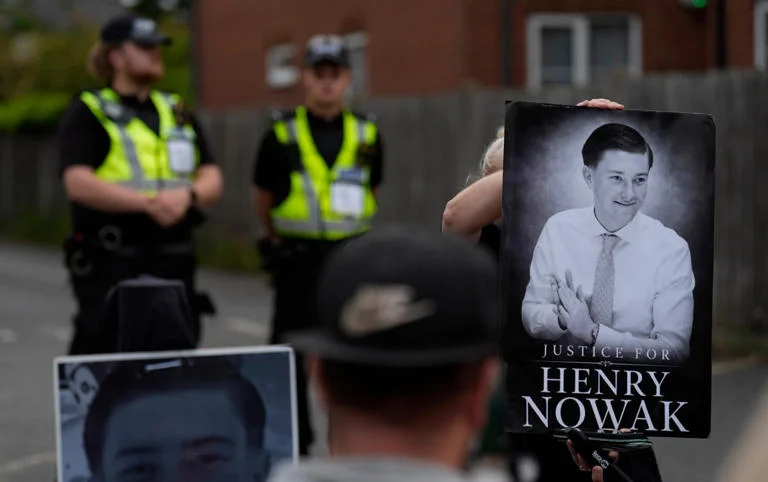
Or consider the Henry Nowak case, where an 18‑year‑old student, stabbed five times, was handcuffed and treated as a suspect while his killer’s false allegation of racist language appears to have been given serious weight. Henry died in handcuffs. The response from leadership has not been to say “we abandoned the basics” and to re‑anchor everything on preserving life. Instead, they talk about “reviewing wording” in race guidance and stress the importance of their existing equity policies.
If you believe in a completely equal police service where everybody is the same under the law, this is the wrong way round. The first duty of leadership is to make sure the basics are sound: vetting, training, clear priorities, equal standards. Yet what we see too often is leaders clinging to DEI structures and identity‑based doctrines even when those doctrines appear to have contributed to failures.
“Will the police leaders ever learn?” in this context means: will they ever admit that the experiment with DEI directorates and identity‑tiered thinking has gone too far, and that the only way back to trust is to scrap those structures and return to a single, equal standard for everyone? Because if they will not, the gap between what the public expects and what the system delivers will keep widening until trust breaks completely.
Why DEI roles have to go
This is where my “no DEI roles at all” stance comes into focus.
Supporters of these posts say they are needed to meet equality duties, improve culture and build trust. Devon & Cornwall call their Culture and Inclusion Lead an “important role” for ensuring equality legislation is embedded and that the workforce reflects the community. The Met describes its Culture, Diversity and Inclusion Directorate as central to reshaping “One Met” culture and meeting its obligations to all Londoners. Police Scotland talks about an “anti‑racist, anti‑discriminatory” service and defends its equality and human rights posts as smart investment.
But the hard reality is this: we now have nearly £10–15 million a year being spent nationally on DEI and inclusion jobs, while crime is rising in key areas and frontline capacity is under strain. We have highly paid HQ posts while basic vetting fails and young men like Henry die after being treated as suspects when they should have been treated as victims.
If those roles were producing clear, measurable benefits in terms of lower crime, fewer scandals and higher public confidence, there might be a case for them. As things stand, they look more like an expensive layer that shields leadership from having to face the real problem: a service that has drifted away from equal, competent policing into a tangle of identity politics and internal management projects.
That is why the only honest reform line is a hard one: no DEI directorates, no culture leads, no identity‑based posts. Keep the core equality law. Keep basic training on respectful conduct. But strip out the structures that constantly push officers and policies back into tiers and categories.
If you don’t want equal terms, don’t join
There is one more point that needs saying bluntly, and you touched on it yourself.
Policing is voluntary. Nobody is forced to apply. That means we have every right to set clear, non‑negotiable expectations up front:
- You will treat everybody the same under the law.
- You will handcuff people based on threat and risk, not on their identity or on how you fear your decision will be judged on social media later.
- You will protect life first, then investigate crime, then complete the paperwork – in that order.
If a candidate cannot accept that; if they believe some groups should get softer treatment and others harder treatment; if they think their personal identity should change how powers are used; then they should not join. It really is that simple.
A completely equal police service depends on officers who understand that equality is not a slogan; it is their daily professional discipline. Once we start bending that for anyone, or rewriting guidance to encourage “equity” instead of equal treatment, we are back on the road to two‑tier policing and broken trust.
Conclusion: equal policing or broken trust
We have reached a point where the public can see the gap between the slogans and the street. Crime is up in too many places. Officers are stretched. Vetting failures and cases like Henry’s have shaken confidence. Yet the system still finds money for new DEI posts and new culture strategies, and still struggles to say, in plain English, that the answer is one law, one standard, for everyone.
If we want to stop trust breaking completely, we have to be uncompromising about the basics. No DEI directorates. No identity‑based tiers. A completely equal police service where everybody – officers and public – is treated the same under the law. If you are dangerous, you are restrained. If you are in danger, you are protected. If you cannot accept that, do not join.
If this matters to you, do not leave it as a private opinion. Ask your Police and Crime Commissioner how many DEI and culture posts your force pays for, and how many officers are actually on the streets. Ask your MP whether the Home Office is prepared to tell chiefs to cut HQ headcount before they cut response teams. Above all, keep asking the question that cuts through the jargon: in a time of rising crime, who’s actually on the streets – and are they applying one law to everyone, or not?
FAQs
1. What do you mean by a “completely equal police”?
A completely equal police service is one where officers apply the same law, the same powers and the same standards to everyone, regardless of race, sexuality, religion or any other identity. Decisions like handcuffing or use of force are based on threat and risk, not on who the person is or how they might be categorised.
2. Why do you say there should be no DEI roles in policing?
Because dedicated DEI and culture roles sit in headquarters, consume significant budgets and are often tied to guidance that explicitly rejects treating everyone the same. At the same time, crime is rising and frontline officer numbers are under pressure. Scrapping those roles and redirecting the money to frontline policing is the clearest way to restore a single, equal standard in practice.
3. Does equal policing mean ignoring discrimination?
No. Basic equality law and internal discipline should still prohibit discriminatory behaviour by officers and protect people from harassment. The difference is that those rules are enforced through the same single standard for everyone, rather than through separate DEI structures and identity‑based “equity” policies that create new tiers.
4. How do vetting scandals relate to the debate about DEI?
Recent reviews in the Met found more than 5,000 officers and staff were inadequately vetted between 2018 and 2023, including serious offenders whose applications were waved through or refusals overturned. That shows basic standards were neglected even as DEI and culture structures expanded, which undermines the claim that those structures are making the service safer or more trustworthy.
5. What can the public do to push for equal policing?
The public can contact their Police and Crime Commissioners and MPs to demand clear data on frontline officer numbers, DEI staffing and budgets. They can use public meetings and consultations to insist on equal, fair policing for all, with no DEI carve‑outs and a clear focus on threat, risk and preserving life, and they can support media and campaigns that hold leaders to that single standard.
[…] Who’s Actually On The Streets? Why Equal Policing Matters More Than DEI […]
[…] Who’s Actually On The Streets? Why Equal Policing Matters More Than DEI […]