
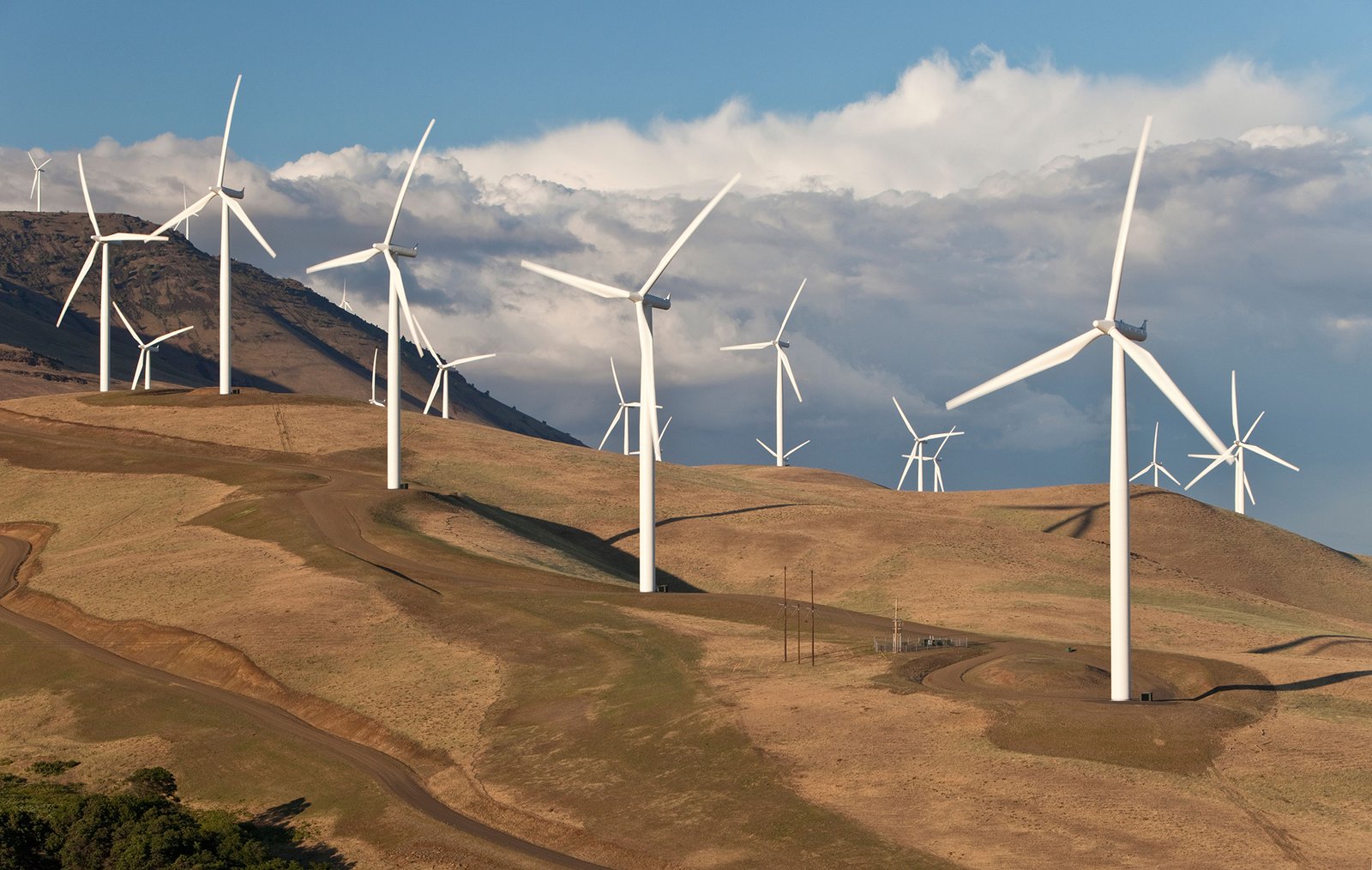
If you live in the UK, you are already paying for electricity you never got to use – and it’s hidden behind the innocent‑sounding phrase “wasted wind power costs”. When you see headlines about nearly £1bn added to bills because wind farms were paid to switch off, that’s not abstract policy talk; that’s real money flowing from your bank account to fix a broken system.finance.
In this article I’m going to break down, in plain English, what wasted wind power costs actually are, why they’re showing up on your bill, and what you can practically do about it as a homeowner, small business owner, or digital entrepreneur. You’ll get my take after 19 years making a living online: how a messy energy policy problem mirrors what happens when we scale traffic without building the right infrastructure behind it.
What wasted wind power costs actually mean
“Wasted wind power costs” is the catch‑all phrase for what happens when we generate more wind power than the grid can physically handle, then pay generators compensation for the power we don’t use. In the industry it’s called curtailment – wind farms are instructed to switch off or reduce output to avoid overloading transmission lines.
Those wind farms don’t just shrug and walk away; they’re paid curtailment or constraint payments to compensate for the lost revenue. At the same time, gas‑fired power stations are paid to fire up to meet demand when local wind cannot flow through the congested grid. Every pound of those payments ultimately lands on energy bills for households and businesses through various charges and levies. So “wasted wind power costs” isn’t a theoretical gripe – it’s line items on your bill you probably didn’t realise you were funding.telegraph.
How we got here: turbines outpacing the grid
The UK has built wind capacity at an impressive pace, both onshore and offshore. That’s good for cutting carbon and reducing long‑term reliance on gas, but we’ve had a classic execution problem: the pipes haven’t kept up with the taps. Transmission networks – the big high‑voltage lines that move power from remote windy regions to cities – have not been upgraded at the same pace as turbine construction.
Octopus Energy told MPs that so many turbines are being built without enough grid capacity that wind farms are being paid to switch off to stop the grid being flooded with power. Current annual curtailment costs sit around £1.5bn and could hit £10bn by 2030 if transmission upgrades lag and more generation comes online. One recent data set showed that in just six months, about six terawatt hours of wind power was effectively wasted – roughly equivalent to the electricity use of all UK data centres – with compensation payments of around £900m funded by bill‑payers. From a systems point of view, that’s like spending a fortune on paid traffic to a site your server can’t handle: visitors get 500 errors, you still pay the ad bill.
Who really pays: the quiet charges baked into your bill
Most households never see “wasted wind power costs” spelled out on the bill; instead you see a few numbers and a total. Behind that are several scheme‑level charges that all roll up into what you pay. One of the biggest mechanisms is the Contracts for Difference (CfD) scheme, which supports low‑carbon generation such as wind and solar. CfDs pay generators the difference between an agreed strike price and the wholesale market price, and those payments are funded via a supplier levy passed through to end users.
As of 2026, CfD‑related charges alone are expected to make up around 5% of the typical electricity bill and are projected to be among the fastest‑growing items as more projects come online. On top of that, constraint payments and curtailment costs are now significant. Ofgem has warned that curtailment has already added around £15 to household energy costs, while other analysis suggests that wasted wind and related constraint payments could add up to £300 per year by the end of the decade if nothing changes. The point is simple: wasted wind power costs are already embedded in what you pay, and they’re set to grow unless policy and infrastructure catch up.
From my own experience looking at bills for different properties, the lack of clarity is striking. You get a headline price cap, a few defined charges, and then a mush of “third‑party costs”. That’s like a SaaS invoice that says “usage fee” without telling you that half of it is your own failed experiments.
The long‑term picture: will wasted wind power costs go up or down?
The uncomfortable truth is that, on current trajectories, wasted wind power costs are likely to rise before they fall. More wind capacity is coming online each year, including record auction rounds for onshore and offshore projects. If the grid doesn’t expand and modernise quickly enough, more generation in constrained areas means more curtailment and higher compensation payouts.
However, there are reasons not to give in to doom‑scrolling. First, new onshore wind and solar secured in recent auctions are significantly cheaper per megawatt hour than new gas plants, which means that when they do deliver power, they can help cut wholesale costs for consumers. Second, there is active work under way to expand transmission and redesign market signals so that flexible demand – EV charging, industrial processes, data centres – can soak up surplus wind when it would otherwise be wasted. The government has also been moving older generators onto fixed‑price deals to disconnect electricity prices from volatile gas markets, which should reduce price shocks over time.
For me, the interesting parallel is with content and hosting. In my early years online, I had spikes of traffic from big campaigns where the infrastructure behind them was the bottleneck. I was paying for attention I couldn’t fully monetise. Energy policy is going through the same painful learning curve: we’ve scaled the front end faster than the back end.
Practical steps: what informed consumers and business owners can do
You can’t personally fix the UK transmission network, but you’re not powerless. Understanding wasted wind power costs lets you make slightly smarter decisions as a bill‑payer and, if you’re an entrepreneur, gives you angles for useful content and offers.
From a consumer point of view:
- Know what you’re paying for. Take 10 minutes to read your supplier’s breakdown of third‑party costs, “environmental” or “policy” charges, and how much comes from schemes like CfD and network charges. When they publish explanations, they’re often surprisingly candid.
- Use time‑of‑use tariffs where they make sense. Some suppliers now offer tariffs that encourage shifting usage to windy off‑peak periods, which can indirectly reduce wasted wind by aligning demand with high renewable output. If you can flex things like EV charging, heating, or dishwasher cycles, this is low‑effort optimisation.
- Audit your actual usage. Many households overestimate their “non‑negotiable” load. A simple audit of appliances, timings, and habits can trim consumption so that the rising share of policy and curtailment costs bites less in absolute terms.
From a business and content‑creator perspective, wasted wind power costs is fertile ground:
- Educational content. Most readers have no idea what curtailment is. Explain it with simple diagrams and real numbers pulled from public sources like Wasted Wind and Ofgem.telegraph.
- Lead magnets. Create a “plain‑English guide to your energy bill” showing where wasted wind power costs sit in the bigger picture. Offer it as a PDF in exchange for email sign‑ups.
- Affiliate angles. Partner with suppliers, switching services, or energy‑efficiency products that help people push back against rising costs, then position wasted wind power costs as the problem your recommendations help to mitigate.
I’ve done similar things in other niches – taking a complex, emotionally charged topic and turning it into a clear explainer plus a practical checklist. This energy story is tailor‑made for that format.
My take after 19 years online: opportunity hiding inside a messy policy problem
After nearly two decades building and monetising websites, I see “wasted wind power costs” as a case study in how systems lag behind innovation. We’ve embraced wind because, ultimately, it’s cheaper and cleaner than building new gas plants. But we’ve under‑invested in the boring bits: wires, substations, markets, and incentives.
That disconnect is exactly what you see when a business piles into the latest trend – TikTok, AI tools, whatever – without upgrading the plumbing. You get traffic you can’t handle, leads you don’t follow up, content you don’t track. Wasted wind power costs are, fundamentally, wasted potential paid for by the wrong people: households and small businesses carrying the bill for a grid that hasn’t been modernised fast enough.
My prediction is that, just as we eventually learned to architect scalable online systems, energy policy will be forced to align infrastructure with ambition. In the meantime, this is one of those unsexy topics where a clear, opinionated explanation stands out. If you can help your audience understand why they’re paying for electricity that never reached their kettle, you become the trusted voice in a noisy debate.
Conclusion: don’t blame the wind, demand better systems
To pull this together: wasted wind power costs are not a reason to abandon renewables; they’re a symptom of an overloaded and under‑planned grid. Wind farms are being paid to switch off, gas plants are being paid to fill the gap, and the whole circus is funded by your bill because the wires and markets weren’t ready.finance.
As a consumer, your best short‑term move is to understand your bill, choose tariffs that reward flexible use, and cut needless consumption so those hidden charges have less room to grow. As a creator or entrepreneur, this topic is an opportunity to educate, build trust, and connect readers to practical tools that ease the pain.
If this resonated with you, take one small step today: either look at your latest bill with fresh eyes, or outline a piece of content that explains wasted wind power costs to your audience. Small, informed actions beat passive frustration every time.
FAQs
1. What are wasted wind power costs?
Wasted wind power costs refer to the money paid to wind farms when they are told to reduce or stop generation because the grid cannot handle the power, plus the cost of paying other generators like gas plants to replace that lost energy. These costs are ultimately passed on to consumers through higher energy bills.
2. Why are wind farms paid to switch off?
Wind farms are paid to switch off due to transmission bottlenecks; there is often more generation in windy regions than the grid can move to where demand is. To prevent overloads, operators curtail output and compensate generators for lost revenue.
3. How much do wasted wind power costs add to UK household bills?
Regulator data suggests curtailment has already added around £15 to household energy costs, while warnings from industry figures indicate wasted wind and related constraint payments could add up to £300 per year by the end of the decade if grid upgrades lag.
4. Are renewables still cheaper than gas despite wasted wind power costs?
Yes. Recent UK auctions show new onshore wind and solar delivering electricity at prices significantly below new gas plants and below recent wholesale power prices, meaning they lower costs when their power is used. The problem is the grid and market design, not the inherent cost of renewables.
5. What can households do to reduce the impact of wasted wind power costs?
Households can choose tariffs that reward shifting usage to windy off‑peak periods, run flexible appliances at those times, and reduce overall consumption through efficiency measures. Understanding bill components and switching suppliers when possible also helps minimise the effect of rising policy and curtailment charges