
Another grooming gang linked to Labour. If you have been following English politics as long as I have been following the news (nearly four decades now), you will know this is not just a one‑day headline – it is a test of trust, judgement and priorities.
In this article, I am going to speak plainly. We will walk through what is actually happening when yet another grooming case surfaces with a Labour connection, why the usual “lessons will be learned” line is not good enough, and what real accountability would look like if politicians were genuinely serious about protecting children rather than protecting their brand. By the end, you will have a clear, fact‑based understanding you can use in your own conversations, campaigns or content.
How did we get to “another grooming gang linked to Labour”?
When you hear the phrase “another grooming gang linked to Labour”, it carries an implied frustration: why does this keep happening, and why do the political links so often seem to involve Labour figures at local level?
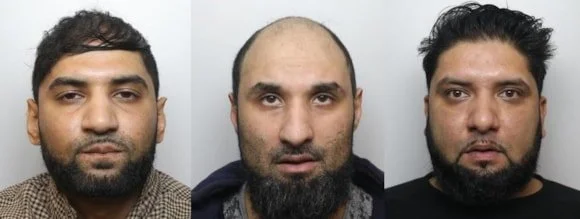
We have seen multiple cases where individuals later convicted or charged with serious sexual offences against children had been involved in Labour politics as candidates, councillors, activists or youth workers with Labour backing. In the most recent high‑profile example, a former Labour council candidate and youth worker was among three brothers jailed for grooming and abuse offences, sparking renewed anger about vetting and safeguarding.
Speaking as someone who has been watching these stories stack up since the 1980s, the pattern is not that Labour “creates” these offenders. The pattern is that local parties, councils and connected organisations repeatedly fail to spot obvious red flags, fail to listen to victims, or decide that accusations are “too sensitive” to touch – especially when they intersect with race, religion or community politics. That is where the rot sets in.
The grooming gang problem: more than just “one bad apple”
To understand why another grooming gang linked to Labour matters, you have to understand the wider grooming scandal in towns and cities across England over the last 70‑plus years.
Independent reports, Home Office reviews and high‑profile prosecutions have all documented the same hallmarks:
- Groups of mostly adult men (Mostly Moslem) targeting vulnerable girls, often in care or on the edges of the school system
- Systematic use of intimidation, threats, and shaming to keep victims silent
- Long‑term failures by police, councils and social services to act on early warnings, often for fear of being called racist, or because the victims were written off as “troubled” or “making choices”
What gets less airtime is how local politics fits in. Councillors sit on safeguarding boards, run local children’s services and influence police priorities. Party activists sit on charity boards, youth initiatives and “community cohesion” projects. When grooming gangs operate for years, it is not just a policing failure. It is a failure of local political leadership.
From my perspective, shaped by decades of watching these inquiries come and go, the most honest thing we can say is this: too many people knew enough to ask hard questions, and chose not to.
Labour, local power and the courage problem
Let’s address the obvious point head‑on. Why does the phrase “another grooming gang linked to Labour” crop up so often, rather than “linked to the Conservatives” or “linked to the Lib Dems”?
Part of the answer is simple geography and power. In many of the towns most affected by grooming scandals, Labour has dominated local government for decades. When you control the council, the children’s services, the local cabinet and often the police and crime commissioner as well, your fingerprints will naturally be all over any long‑running failure.
But there is also an internal culture problem. Over the years I have watched Labour wrestle with difficult questions about grooming gangs and community relations, a few patterns keep repeating:
- A tendency among some activists and officials to treat criticism of grooming gangs as inherently “far‑right talking points”, and therefore to be resisted rather than examined
- A fear of upsetting particular voting blocs or local power‑brokers in communities where identity politics and clientelism matter
- A strong instinct to defend “our people” – candidates, councillors, activists – first, and ask awkward safeguarding questions later
You see this in the way complaints are sometimes minimised, or brushed off with “there is no suggestion the party knew”, as though ignorance is an acceptable defence when you are putting people in positions of trust with children. Legally, that caveat matters. Politically and morally, it is nowhere near enough.
If another grooming gang is linked to Labour, the real issue is not just the offender’s party card. It is the network of relationships, endorsements and blind spots that made their rise possible.
Vetting that is not fit for purpose
Whenever one of these cases hits the headlines, Labour HQ and local officials talk about “robust vetting”. Then you look at what actually happened, and you realise how shallow that process often is.
Typical vetting for a local council candidate might involve:
- A basic form asking about past offences and “anything that could embarrass the party”
- A quick check for glaring public controversies
- Occasionally, a Disclosure and Barring Service (DBS) check if the role involves regulated activity with children
Here is the obvious problem: grooming gangs are frequently only caught after years of offending. Before that, there may be whispers, rumours, unexplained wealth, dubious friendships, or repeated concerns raised by local residents that never reach the “official record”. A paper‑based vetting form will not capture that.
In one recent case, a man later convicted of serious child sexual offences had stood for Labour in local elections and worked in youth‑related roles during the period between his offending and his eventual prosecution. On paper, before charges, he looked like a model community activist: engaged, visible, apparently passionate about helping young people. The kind of person a vote‑hungry local party is often delighted to promote.
From my long experience watching scandals in multiple sectors – from politics to churches to charities – the lesson is always the same: predators know how to play the system. They seek roles that give them proximity to vulnerable people and a cloak of respectability. If your vetting process assumes that “no conviction” equals “no risk”, you are building the perfect environment for them.
Safeguarding is not a box‑ticking exercise
One of the most disturbing threads running through grooming gang cases is how often victims tried to speak up and were ignored, dismissed or pushed back into silence.
When another grooming gang is linked to Labour, the question I always ask is: what routes were there for concerns to be raised about that individual before police finally acted?
True safeguarding is not about a laminated policy on a noticeboard. It is about a living culture, where:
- People know who to contact if they are worried about a child – and trust they will be taken seriously
- There are clear whistleblowing channels that bypass local fiefdoms and internal politics
- Leaders are prepared to act early on patterns of behaviour, not just proven criminal charges
In some councils and local parties, safeguarding is treated as a PR shield. The policies exist, the training sessions are ticked off, but nobody really wants to rock the boat when the person in question is “one of us” or important for community relations. That is how you end up with grooming offenders being allowed to build up a public profile as youth workers, campaigners or anti‑crime advocates, even as victims are suffering in the background.
I have seen this pattern in everything from schools to football clubs. The details vary, but the root failure is the same: image is prioritised over uncomfortable truths.
Race, fear and the abuse of “sensitivity”
We cannot talk honestly about grooming gangs without talking about race and religion. Many of the high‑profile cases have involved groups of men from particular ethnic or religious backgrounds targeting predominantly white or mixed‑heritage girls, though child sexual abuse itself exists in every community.
The problem is not simply that some offenders share a background. The problem is how institutions respond. Over the years, multiple inquiries have documented how professionals hesitated to pursue grooming allegations because they feared being labelled racist, or worried that investigations would inflame community tensions.
Labour, as a party that has long relied on minority communities in key areas, has sometimes appeared paralysed by this. When another grooming gang is linked to Labour, critics point not only to the offender’s party connection, but to the broader pattern where Labour figures have been slow or reluctant to speak plainly about grooming for fear of how it might be perceived.
Here is the hard truth I have come to after nearly four decades of following this subject: real anti‑racism means standing up for vulnerable girls, whatever their background, and refusing to treat abuse as a “community management” issue. Protecting children must come before protecting reputations – including Labour’s.
Offenders themselves can exploit this sensitivity, knowing that accusations will be treated as politically explosive rather than straightforward crimes. That is a failure we all own if we let it continue.
What real accountability from Labour would look like
It is easy for any party to issue a statement once a case is in the courts: “We are shocked by these crimes. There is no suggestion the party knew. Lessons will be learned.”
If we are hearing about another grooming gang linked to Labour, that formula has clearly failed. So what would real accountability look like?
From where I sit, it would include at least the following:
- An independent, public review of how individuals later convicted of grooming or related offences were selected, promoted or supported by Labour at local level, not just in one town but across the country
- A requirement that all Labour candidates, councillors and office holders in roles touching young people undergo regular safeguarding training, with a clear route for concerns to be escalated outside local party structures
- A national whistleblowing channel, independent of local factions, where party members, staffers or community partners can report concerns about anyone in a Labour‑linked role without fear of career or social reprisals
- A commitment to publish anonymised data on safeguarding complaints, actions taken and outcomes, so the public can judge whether the party is actually improving practice, not just its press releases
If another grooming gang is linked to Labour in future, the question should be: did these systems catch warning signs, and if not, why? Without that level of scrutiny, we are just waiting for the next headline.
What you can do as a citizen, parent or campaigner
You do not need to be a councillor or an MP to make a difference. In fact, many of the breakthroughs in grooming cases came because ordinary people refused to shut up when institutions tried to fob them off.
Based on years of watching both failures and successes, here are practical steps you can take:
- Ask questions when a local party (Labour or otherwise) promotes someone heavily into youth‑focused roles. What training have they had? Who is supervising them?
- Support local journalists, bloggers and campaigners who are prepared to cover grooming and safeguarding in a fact‑based way, rather than just chasing culture‑war clicks.
- If you are in a party yourself, push for proper safeguarding training and independent reporting channels. Do not accept “we have a policy” as the end of the conversation.
- Talk to young people in your family about grooming tactics – how offenders use flattery, gifts, threats and shame – so they recognise warning signs early. There are good resources from charities and safeguarding partnerships you can share.
I have lost count of the times a scandal finally broke because one person – a mum, a youth worker, a neighbour – simply refused to be intimidated or ignored. That remains the most powerful safeguard of all.
Conclusion: Another headline – or the point where we finally say “enough”?
The fact that we are even using a phrase like “another grooming gang linked to Labour” tells you how deep this problem runs. It should not be normal for serious child abuse cases to intersect with party politics in any way, yet here we are again.
Labour cannot control every individual who passes through its ranks. But it can control how seriously it takes warnings, how robust its safeguards are, and how transparent it is when things go wrong. At the moment, the gap between the public words and the private reality is still far too wide.
If you care about this issue – as a parent, a voter, a campaigner or a content creator – keep asking the awkward questions. Push your local representatives to treat safeguarding as a non‑negotiable priority, not an afterthought. The next time we see a headline about another grooming gang linked to Labour, let’s make sure the story is not “nobody saw this coming”, but “this time, the systems worked”.
If you want to go further, take this article as a starting point. Use it to write to your councillors, to challenge party officials, or to create your own content that insists on accountability. Silence and politeness got us here. Persistent, informed pressure is how we get out.
FAQs
1. Does Labour “cause” grooming gangs?
No political party causes grooming gangs. The offenders themselves are responsible for their crimes. The criticism of Labour is about how local Labour‑run institutions and party structures responded to warning signs, complaints and safeguarding duties in areas where the party has held power for many years.
2. Why do so many grooming stories seem to involve Labour?
Many of the towns worst affected by grooming scandals have had Labour‑dominated councils and political structures for decades. That means Labour figures are often the ones in charge of children’s services, local safeguarding partnerships and community funding. When those systems fail, Labour inevitably comes under scrutiny.
3. What should proper vetting for political candidates include?
Effective vetting should go beyond a basic form and a Google search. It should include proper safeguarding checks for anyone involved in youth or community roles, consultation with local safeguarding partners, and a culture where rumours or patterns of concern are investigated rather than brushed aside for fear of political embarrassment.
4. Is raising grooming gang issues racist?
No. Protecting children from sexual abuse is not racist. Multiple inquiries have shown that fear of being called racist contributed to institutional failures to act earlier in some grooming cases. The key is to focus on evidence, not stereotyping, and to insist on equal protection and equal accountability for all communities.
5. What can I do if I am worried about someone in a youth or political role?
If you believe a child is at immediate risk, contact the police. For non‑emergency concerns, you can contact your local council’s safeguarding team or the NSPCC helpline. If the person is connected to a political party or charity, use their safeguarding channels as well, but do not rely on internal processes alone if you feel you are being ignored.