When you’ve watched politics for forty years, you start to spot the tricks.
The Gorton and Denton by election is supposed to be an English by‑election in an English constituency – yet listen to the candidates and commentators and you’d think England doesn’t exist. It’s all “Britain”, “British values”, “British politics”.
In this article, I want to do two things:
- Show how Gorton and Denton sums up Broken England – poverty, crime, NHS chaos, fractured communities.
- Ask the question nobody on the ballot will touch: why, in an English by‑election, are politicians still speaking as if England is just “Britain” and nothing more?
An English Seat That Proves How Broken England Is
Gorton and Denton sits in Greater Manchester – but politically, it’s England in miniature.
The new constituency bolts together:
- Inner‑city Manchester wards like Gorton, Longsight and Levenshulme – young, heavily rented, very diverse, a big student and minority mix.
- The town of Denton in Tameside – older, more English working‑class, feeling like the country moved on without them.
Look at the numbers and you’re staring at Broken England:
- Among the most deprived seats in the country, with Gorton in particular showing very high levels of multiple deprivation.
- Close to half of households on Universal Credit.
- Wages below the England‑wide average and a lot of poor‑quality housing, which turns every bill rise into a crisis.
- Crime and anti‑social behaviour well above the national average; people routinely say they feel unsafe in their own streets.
This isn’t some abstract “British” problem floating in the air.
These are English streets, English estates, English families trying to survive in a country that loves to talk about “global Britain” and “our values” while leaving them stuck.
Eleven Candidates – And Almost No England
On paper, this Gorton and Denton by election is a feast of choice: eleven candidates, everything from Labour and Reform to Greens, Lib Dems, the Conservatives, Communists and the Monster Raving Loony Party.
Turn on the TV and you hear the same script every time:
- “A test for Britain’s main parties.”
- “What does this mean for British politics?”
- “What are British voters saying in this by‑election?”
But listen closely to the candidates themselves. When they do the one‑minute manifestos and hustings:
- It’s “Britain’s NHS”, “Britain’s economy”, “British democracy”.
- It’s “our country”, without ever spelling out which country that actually is.
You’re in an English seat, choosing an MP to represent you at Westminster from a constituency legally defined as part of England.
Yet the one word that never seems to pass their lips is England.
That is not an accident. It’s a habit – and a very convenient one for a political class terrified of waking the English up as a political nation in their own right.
What They Promise – And What They Really Mean
Look at the main contenders in this English by‑election and you’ll hear lists like this:
Labour’s candidate:
- More investment.
- Better GP access.
- Tackling fly‑tipping.
- Breakfast clubs and better buses.
The Greens:
- £15 minimum wage.
- Rent controls and insulation.
- Free prescriptions, dental care, eye tests.
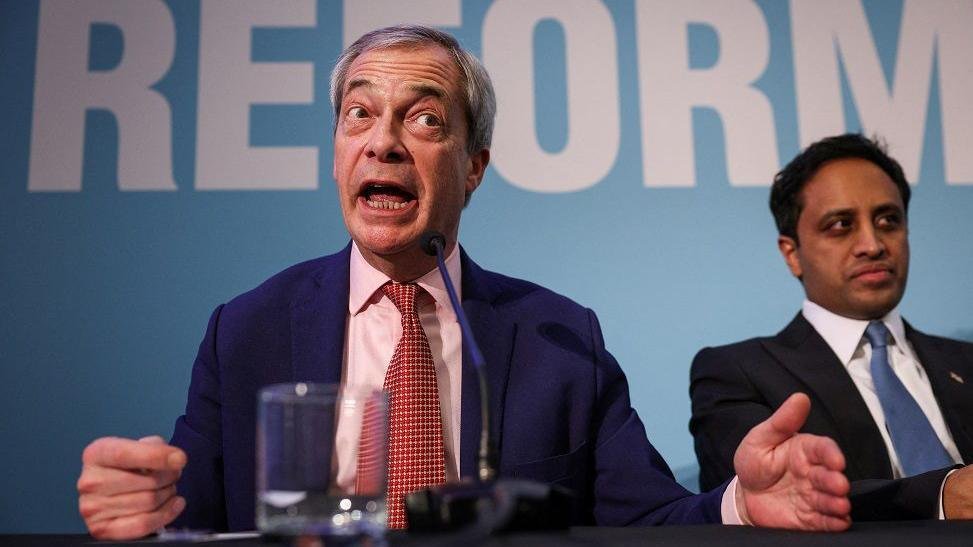
Reform:
- More police, tougher on crime and grooming gangs.
- Action on high street decline.
- Crackdown on illegal migration and lower energy bills.
There’s nothing wrong with wanting any of that. The problem is what’s missing:
- No one says, “This is what we owe the English people in this English seat.”
- No one says, “England has been neglected for decades, and this is how we fix it.”
Instead, everything is blended into a vague “British” story: British decline, British public services, British cost of living. The English are treated as just one more set of bodies inside “Britain”, rather than the people whose country this actually is.
England’s Problems, Rebranded as “British” Issues
Take a hard look at what Gorton and Denton is dealing with:
- English public services: GPs, dentists, hospitals in this part of England are overstretched, with people waiting weeks for appointments and using A&E as their front door.
- English policing: crime and anti‑social behaviour are handled by English police forces answerable (on paper) to local English commissioners, not some floating “Britain”.
- English housing and welfare decisions: councils in Manchester and Tameside, under England‑only funding formulas, are trying to cope with benefit dependency, asylum placements, and chronic under‑investment.
When things go wrong, though, the blame – and the language – gets pushed upwards into this foggy “British” zone. It’s always:
- “Britain’s cost of living crisis.”
- “British politics failing working people.”
- “A test for Britain’s parties.”
Calling everything “British” blurs responsibility:
- You stop asking why English institutions – with no English parliament of their own – are run from a UK centre that assumes England is Britain.
- You stop asking why English constituencies like this never get parties speaking plainly as English parties on explicitly English agendas.
Gorton and Denton shows the damage of that blur. The people here aren’t being failed by some imaginary “Britain” – they’re being failed by the way England is governed and ignored inside the UK.
Why Do English Politicians Avoid Saying “England”?
So why, in an English by‑election, do politicians still talk like this is a generic “British” contest?
There are a few obvious reasons:
- “British” sounds safer and more inclusive.
Campaign strategists think “British” offends no one and fits Scotland, Wales, Northern Ireland and England all under one umbrella – even though this vote is in England and only affects an English seat. - Saying “England” raises awkward questions.
The moment you say “England”, people can ask:- Why doesn’t England have its own parliament when Scotland, Wales and Northern Ireland do?
- Why are English laws made by a UK Parliament where MPs from other nations can still vote on England‑only issues?
- Why do English seats like Gorton and Denton get treated as test labs for national problems, but never as nations in their own right?
- Parties don’t want an English political awakening.
If English voters start thinking of themselves as English citizens of England, not just “British taxpayers”, they might start demanding:- An English parliament.
- English‑only parties.
- A different settlement to the current UK model.
So everyone sticks to the script. They ask English voters, in an English seat, to send them to a British Parliament to fight for “Britain” – and hope you don’t notice that England never appears as a subject with its own rights and interests.
The Gorton and Denton By‑Election Shows an English System That Doesn’t Let England Speak
Strip away the bunting and this is what the Gorton and Denton by election is really telling us:
- England is full of constituencies like this – poor, divided, and squeezed between a soft‑left story about “investment” and a harder‑right story about “taking back control” – but with no one offering a clear, honest English programme.
- Eleven candidates can stand, yet not one serious contender says, “I’m running to put England first, and to put this English constituency at the front of the queue.”
- Parties talk as if your vote is a lever that moves “British politics”, when in reality, for seats like this, it mostly decides who gets to play a supporting role in someone else’s script.
I’ve seen this so many times: places like Gorton and Denton are wheeled out every few years as proof that “Britain is broken”, then quietly dumped back in the drawer once the cameras move on. The people left behind are English – but the conversation never is.
So What’s the Point – And What Should Change?
Here’s my honest take after four decades of watching this game:
- If you live in Gorton and Denton, voting can still matter at the edges. A decent MP can help with housing battles, local scandals, botched benefits cases and noisy campaigns about local services. That’s not nothing.
- But if you think this by‑election will, by itself, fix the deep problems of Broken England, you’ll be disappointed. The parties are still talking about “Britain”, still dodging the English question, still treating you as a prop in a bigger drama.
What needs to change is deeper:
- England needs to be named and acknowledged in its own politics – starting with English politicians in English by‑elections saying the word out loud.
- Constituencies like Gorton and Denton need more than a change of MP; they need a change of mindset, where Westminster stops treating them as background scenery in a story about “Britain” and starts admitting that it’s England that’s being broken, piece by piece.
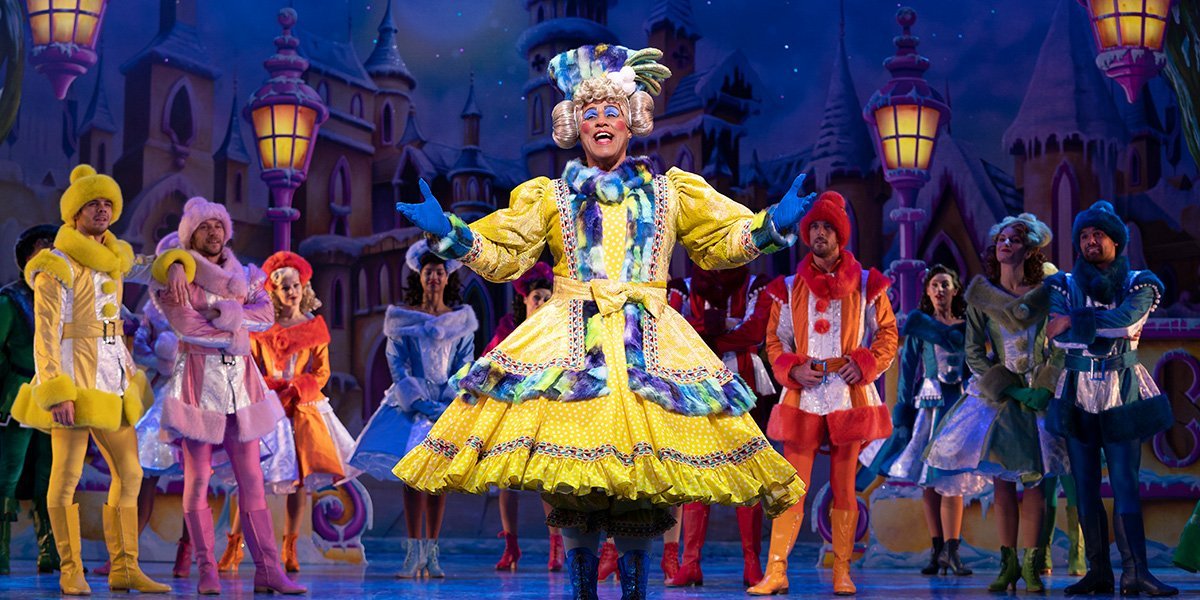
Until that happens, expect more pantomimes: too many candidates, too many promises, and too few people willing to tell you what country you’re actually living in.
FAQs About the Gorton and Denton By‑Election (From an English Angle)
1. Is Gorton and Denton an English constituency?
Yes. Gorton and Denton is a parliamentary constituency in England, within Greater Manchester, created for the 2024 general election. Voters there are choosing an MP for an English seat, even though politicians usually talk about it as a generic “British” contest.
2. Why do parties talk about “Britain” in an English by‑election?
Because “Britain” is the branding parties are comfortable with. It avoids raising questions about England’s lack of its own parliament and institutions, and it lets them pretend the same message can be sold across the whole UK, even when the specific vote is in England.
3. What are the biggest issues for people in Gorton and Denton?
Residents are dealing with:
- High poverty and benefit dependency.
- Crime and anti‑social behaviour.
- Long waits for GPs and dentists.
- Poor housing and high energy bills.
These are all problems showing how England is being run – not abstract “British” problems in the air.
4. Can one MP really change things for this part of England?
Not on their own. A single MP has limited power over national policy and spending, which are controlled by the UK government and its majority. They can fight specific local battles and raise issues in Parliament, but they can’t, by themselves, fix the deep structural problems facing places like Gorton and Denton.
5. What would an openly English‑focused campaign look like here?
It would:
- Talk explicitly about England, English voters and England’s governance.
- Link local problems in Gorton and Denton to how England is treated inside the UK – funding, devolution, and who speaks for England.
- Offer policies that start from the idea that England is a nation with its own needs and priorities, not just a backdrop for “British” politics.
3 thoughts on “Gorton and Denton By‑Election: Broken England in One Pantomime Seat”