From Headlines to High Streets
You’ve probably seen the headline by now: a town just outside London branded the UK’s “worst place to live”, complete with Greggs needing security guards on the door. It’s the kind of story that gets shared, mocked and argued over in the comments before anyone has actually set foot on the high street in question.
In this article, I want to take that “worst place to live near London” label and pull it apart a bit – not to sugar‑coat the problems, but to ask a simple question: what’s it actually like for the people who live there, day in, day out? Along the way, we’ll look at how these rankings are dreamed up, what Greggs with security guards really says about a place, and how towns like this fit into the bigger story of England then and now.
Where Is the “Worst Place to Live Near London” – And Why Is It Always on a List?
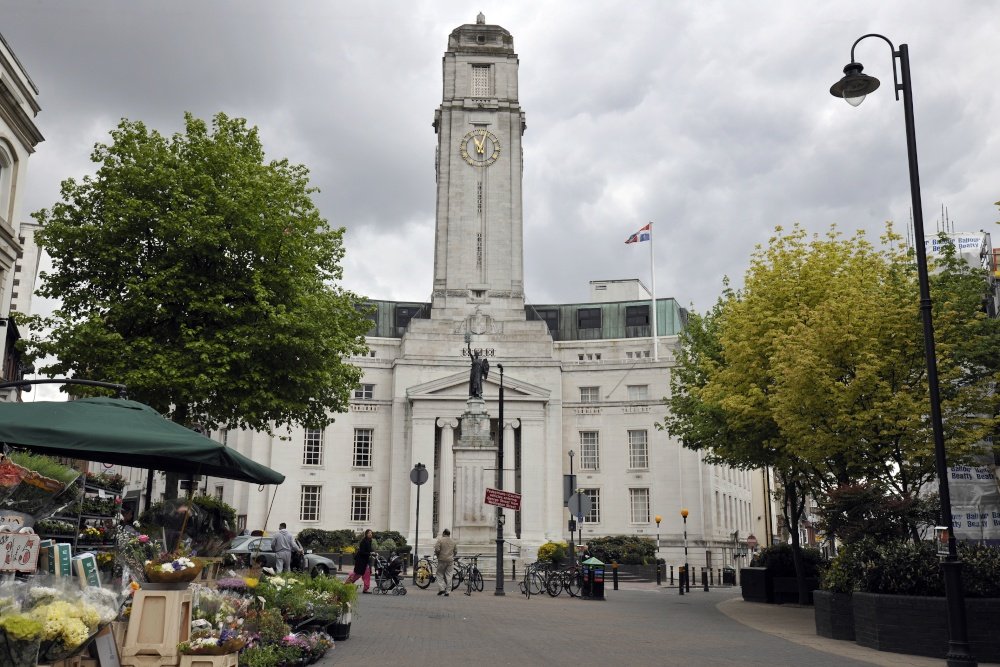
The current media fixation is on a commuter‑belt town roughly 15 miles from London, in Hertfordshire, which a Telegraph survey reportedly crowned as Britain’s worst place to live – despite property prices that wouldn’t exactly count as cheap. At the same time, Luton in nearby Bedfordshire keeps cropping up as one of the least desirable places to live, regularly name‑checked in pieces about crime, unemployment and urban decay.
How do these places end up with the “worst place to live near London” badge pinned to their chest? Various surveys and indices blend crime figures, job markets, health, shopping areas and resident satisfaction to spit out a ranking table. It’s statistical soup, seasoned heavily with editorial judgement. One year it’s Walsall, another year it’s Luton, another year a Hertfordshire town – but the formula is similar: struggling high streets, social problems and a handy villain for a headline.
From an English history perspective, it’s ironic. Many of these so‑called “worst” towns were once proud industrial or market centres, tied into railways, factories and trading routes that made them attractive places to settle. What’s changed isn’t their geography – it’s everything around them.
Greggs with Security Guards: What That Really Tells Us About a Town
One detail grabs attention: Greggs in Luton reportedly has security guards outside to deter theft. It’s the sort of image that sticks – a sausage roll shop that needs bouncers – and it’s no surprise it’s been used to symbolise “broken Britain” and the decline of the high street.
If you’ve walked enough English town centres, you start to notice the little signs that a place is under pressure. Shuttered units in what should be prime locations. Security tags on items you’d never have locked up ten years ago. Staff keeping one eye on the door and one on the self‑checkout. When even Greggs, famous for cheap, grab‑and‑go snacks, is hiring security, it usually means three things: shoplifting is rife, margins are thin, and everyday life is a bit more tense than it should be.
But here’s the important bit: that doesn’t mean every street, every person and every experience in the “worst place to live near London” is bleak. Towns are patchworks. The same high street where you see security guards might also be where kids get their Friday treat, where older residents meet for a coffee, and where you can still find an independent shop holding on because they know their regulars by name. The headlines zoom in on the Greggs security guard; the reality is always bigger than a single doorway.
From Pride to “Broken Britain”: How English Towns Slid into This Mess
If you look at Luton, Walsall and other towns that get hammered in these lists, you start to see familiar patterns. Many used to rely on heavy industry, manufacturing or a strong local employer – think vehicle plants, leather works, engineering firms. Over time, those jobs went: factories closed, workshops shut, and what came in their place rarely offered the same stability or pay.
A recent piece on Walsall, another town slapped with the “worst” label, described streets that feel like a “war zone”, with boarded‑up homes, empty shops, and residents too nervous to go out after dark. The comments from locals are eerily similar to those you hear in Bedfordshire and Hertfordshire: complaints about crime and drugs, frustration with fly‑tipping and litter, and a nagging sense that the council and police have given up on them.
When you add in national pressures – rising housing costs, stagnant wages, squeezed public services – you end up with towns that look and feel like they’ve slipped backwards compared with the post‑war decades many older residents remember. That gap between “then” and “now” is where a lot of the anger lives. For someone who grew up seeing full factories and busy Saturday markets, the modern picture of a “worst place to live near London” is not just statistics; it’s a personal sense of loss.
Regeneration and Reality: Can Billions Fix the “Worst Place to Live”?
One of the most striking things about these “worst place” stories is that they often sit alongside eye‑watering regeneration figures. Luton, for example, is tied into a town centre masterplan and wider projects supposedly worth over £1 billion, including a new football stadium, apartments, retail units and public spaces. There are similar promises of £1.7 billion of regeneration linked to the area just north of London that has been criticised so heavily.
On paper, it sounds impressive. New stadium, new flats, new shops, glossy visuals of people sipping coffee in pedestrianised squares. But if you read what residents actually say, you hear something more cautious: they complain that crime still feels out of control, that decent jobs are scarce, and that the new investment doesn’t always seem to touch the estates where everyday life happens.
That’s the heart of the problem. Regeneration can absolutely transform a town’s physical fabric – you can see it in the new buildings and landscaped parks – but it doesn’t automatically rewrite the lived experience of people who’ve seen decades of decline. So when you search for the “worst place to live near London”, you’ll often find two stories running side by side: the official narrative of investment and opportunity, and the unofficial narrative of residents who are still waiting for life to actually feel better.
What It’s Actually Like to Live in the “Worst Place to Live Near London”
Strip away the rankings for a moment and think about what day‑to‑day life looks like in a town on London’s edge. You’ve got commuters heading into the capital, often drawn there by relatively cheaper housing compared to central London, even if local prices are high by national standards. You’ve got families who’ve been there for generations, tied to schools, clubs and the local football team. You’ve got new arrivals who chose the area because it sits on a rail line that gets them into London in under an hour.
The “worst place to live near London” is still a place where people buy their first home, where kids ride bikes in cul‑de‑sacs, and where you can find green spaces if you know where to look. Yes, you might hear more sirens than you’d like, notice more boarded‑up units than you remember from your childhood, and find that certain streets are best avoided late at night. But you’ll also find community groups, football pitches, churches, mosques, youth clubs and quiet pockets where neighbours still look out for one another.
From an “England then and now” angle, what strikes me is how quickly our national conversation can write off whole places with a single headline. One year this town is an “up‑and‑coming commuter hub”; the next it’s “the worst place to live near London” because a survey clipped a few specific metrics together. The lived reality often sits somewhere in the middle: a flawed, sometimes frustrating, sometimes surprisingly friendly town that doesn’t fit neatly into either box.
England Then and Now: Why We Love to Hate Our Own Towns
If you go back through English history, moaning about where we live is practically a national sport. Victorian writers complained about smog and slums. Mid‑20th‑century residents grumbled about soulless new estates and concrete shopping centres. Today, we have social media, “worst place” lists and viral photos of drooping shopfronts to feed the habit.
What’s changed lately is the speed and scale. A critical article about Luton or Walsall is shared nationwide in minutes, and suddenly people who have never set foot in the town feel confident declaring it a lost cause. That narrative can stick, hurting how locals feel about their home and even influencing investment decisions or which businesses decide to open – or close – there.
The “then” in England then and now is important. Many of these towns still carry the bones of their better days: solid Victorian and Edwardian housing, old market squares, railway stations that once brought in trade instead of just commuters. The question is whether we see those as raw material for a future revival or as relics of a past that’s never coming back. When we casually label somewhere the “worst place to live near London”, we’re really making a call about whether we think that story is finished.
Conclusion: Don’t Write Off the “Worst Place to Live Near London” Just Yet
So is the “worst place to live near London” really unliveable? The honest answer is: it depends who you ask, where they live in the town, what they can afford and what they compare it to. There are undeniable problems – crime, poverty, tired high streets, years of under‑investment – and details like Greggs needing security guards tell you that something has gone badly wrong. But there are also people making lives there, raising families, building small businesses and trying to drag their town into a better future, one day at a time.
If there’s one thing I’d like you to take away, it’s this: treat “worst place to live near London” as a starting point for questions, not the final verdict. Next time you see your own town – or someone else’s – turned into a punchline, look twice. Ask who benefits from the label, who gets written out of the picture, and what the “then” and “now” of that place really look like when you walk the streets instead of just scrolling the headlines.
If you’ve lived in one of these much‑mocked towns, or you’re watching your own area slide into the same kind of story, share your experiences. Talk about what’s wrong, yes, but also about what’s worth saving. That’s how places stop being “worst” on paper and start becoming somewhere people can be quietly proud to call home again.
“Whether you agree with this “worst place to live” label or think it completely misses the point, I’d love to hear your side of the story. If your own town is facing similar problems – boarded‑up shops, rising crime, or just a feeling that it’s not the place you remember – your perspective matters more than any headline or ranking. And if you’ve got a story to tell, whether it’s about decline, quiet resilience or a corner of your community that still gives you hope, get in touch and share it – because real experiences from real people are the only way we’ll ever get an honest picture of England then and now”.
FAQs
1. Is the “worst place to live near London” really that bad?
It has serious issues – crime, poverty, struggling shops – but experiences vary widely between neighbourhoods, and many residents still value the community and location.
2. How do they decide which town is the “worst place to live”?
Rankings mix data such as crime, jobs, health, shopping and surveys of residents, then media outlets turn that into league tables and headlines.
3. Why does Greggs need security guards in some towns?
In places like Luton, increased shoplifting and anti‑social behaviour have led to security staff at even low‑cost chains to protect staff and stock.
4. Do regeneration projects actually help local people?
Large schemes can improve buildings and public spaces, but residents often say they still feel unsafe and overlooked unless investment tackles jobs, services and policing too.
5. Will being called the “worst place to live near London” affect house prices?
Negative publicity can dent confidence, but proximity to London and broader market forces usually matter more in the long run than a single headline.
One thought on “What It’s Really Like in the ‘Worst Place to Live Near London’”