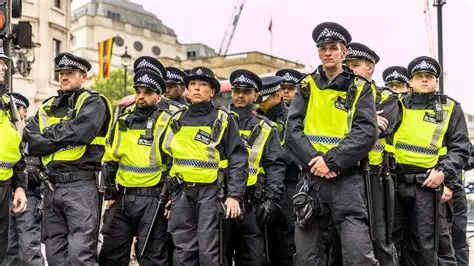
Policing and justice lie at the heart of how a country treats its own people – who is protected, who is punished and whose voice is believed. This hub brings together case studies, commentary and “then and now” contrasts to show how English policing and the wider justice system really work in practice.
How English Policing Works – And Where It Fails
England’s police forces sit between local communities and the power of the state, expected to keep order, prevent crime and uphold the law without fear or favour. In reality, decisions about enforcement, resources and priorities can be heavily shaped by politics, media pressure and institutional culture.
In this section you’ll find:
- Stories that show how protests, football crowds, neighbourhoods and individuals are policed differently
- Analyses of new tactics, technology and “crackdowns”, and what they mean for everyday civil liberties
Each article links back here so you can trace patterns across different forces, times and incidents.
Justice, Courts and Unequal Outcomes
The justice system is supposed to be blind: the same laws, the same standards, whoever you are. Yet outcomes often vary sharply by background, wealth, ethnicity, postcode and political attention, creating a gap between the ideal of justice and lived experience.
Here you’ll see:
- Coverage of court cases, sentencing and appeal decisions that raise questions about consistency and fairness
- “Then vs now” comparisons that show how similar offences have been treated differently over time
These pieces connect individual cases to broader debates about trust, legitimacy and reform.
Bias, Disproportionality and Public Trust
Research and official reviews repeatedly highlight disproportionality in who is stopped, searched, charged or imprisoned, and in how victims are treated. Public confidence depends not just on crime rates, but on whether people believe the system is procedurally fair in day‑to‑day encounters.
This part of the hub explores:
- Evidence of bias and double standards in policing and justice, including ethnic and political disproportionality
- Community responses, watchdog findings and attempts inside the system to rebuild trust
Articles here link both to England vs Britain (where structural issues sit) and to Immigration & Culture (where many of these tensions show up).
New Powers, New Technologies, Old Questions
From social media surveillance hubs to new public order laws and counter‑extremism powers, England’s policing toolkit is expanding fast. Each new power promises safety and control, but also raises questions about mission creep, accountability and the line between security and freedom.
On this hub you’ll find:
- Explainers on key laws, policies and technologies that change what police and prosecutors can do
- Case studies of how these tools are used on the ground, and where they collide with rights to protest, privacy and free expression
These links show how today’s innovations fit into a longer story of state power and public resistance.
Then and Now: The Changing Face of English Justice
English policing and justice have never been static; they have shifted through reforms, scandals, moral panics and political campaigns. To understand current controversies, you need to see how earlier waves of “law and order” or “liberalisation” set the stage for today.
This Policing & Justice hub connects:
- Historical context from History & Heritage, showing how past laws, riots and reforms still cast shadows
- Current stories from Politics & Public Services and England vs Britain, where decisions about law, order and rights are really made
Featured Investigations: