Most people use “England”, “Britain” and “the UK” as if they mean the same thing – but they don’t, and the confusion is not an accident. This page is your hub for stories and analysis on how English interests, identity and democracy are treated inside the wider British state.
England, Britain and the UK: Clear Definitions
- England is one of four nations in the United Kingdom, with its own history, law and identity, but without its own parliament or government.
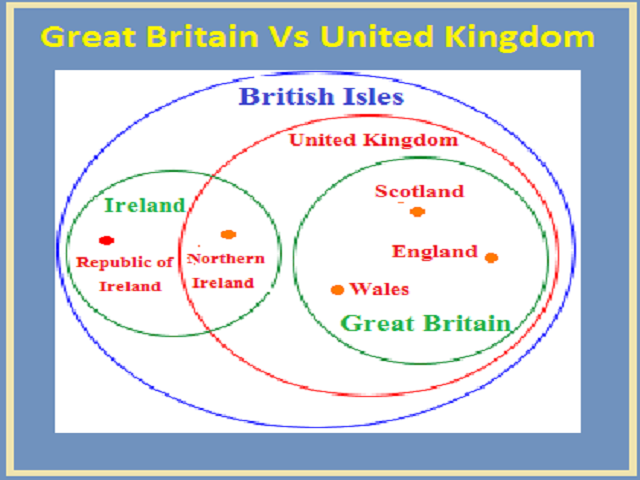
- Great Britain is the island containing England, Scotland and Wales, and the United Kingdom adds Northern Ireland to that political union.
Who gets called “British” and when England is quietly swapped in or out of the story shapes public opinion, constitutional debates and funding decisions.
How “England vs Britain” Shapes Politics and Law
For decades, England has been governed directly from Westminster while Scotland, Wales and Northern Ireland gained their own devolved institutions. This asymmetry runs through questions like who votes on what, how money is distributed and whose voice counts when UK‑wide decisions are made.
On this site you will find:
- Case studies where English‑only issues are decided by non‑English MPs in Parliament
- Analyses of funding formulas, devolution settlements and constitutional fixes that overlook England as a nation in its own right
Each article in the England vs Britain category links back here so you can explore how these structural choices play out in real stories.
English Identity vs British Identity
Polls regularly show that many people in England feel more English than British, especially on questions of culture, values and national story. At the same time, official bodies, broadcasters and campaigners often default to “British” in ways that blur English interests and experiences.
Here you will find:
- Commentary on how media and institutions use “England” and “Britain” differently depending on the narrative they want
- Pieces on flags, ceremonies, sport and everyday symbols that reveal how English identity is recognised – or quietly edited out
These threads connect news events to deeper questions of who “we” are supposed to be.
When England Clashes With Britain: Real‑World Examples
The divide between England and Britain is not just theoretical; it shows up in policing, public services, protests and policy rows. English concerns can be sidelined by UK‑level decisions, or presented as “British” issues in ways that hide who really wins and loses.
In this section of the site you’ll see:
- Detailed breakdowns of controversies where English interests collide with wider UK politics
- “Then and now” comparisons showing how similar disputes were handled in the past and what has changed
These case studies are designed to be readable, sourced and shareable, so you can follow the thread from one story to the next.
Then and Now: How The Relationship Has Changed
The relationship between England and the wider British state has been shifting for centuries – from empire and industrialisation to devolution, Brexit and the current constitutional muddle. To understand today’s headlines, you need that longer view of how power, identity and responsibility have moved over time.
On this hub you’ll find:
- Historical explainers linking to History & Heritage pieces that show how earlier settlements still shape England’s position today
- Contemporary analysis linking forward into Politics & Public Services, Policing & Justice and Immigration & Culture, where the England–Britain divide is felt most sharply
Featured Analysis:
Latest Coverage: