The sick note scandal that should worry all of us
Every so often, a story cuts through the usual noise and makes people on all sides of the sick note debate sit up. The case of the doctor who sold sick notes faces being struck off is one of those moments. A suspended NHS doctor, a reality TV backstory, and a £29 online service handing out time off work like discount vouchers – it sounds like satire, but it is real.
For years there has been talk about a “sick note culture” in Britain, yet most of that conversation either blames workers as lazy or paints all employers as heartless. This scandal forces a better question: what happens when a doctor turns sick notes into a product to be sold, no questions asked? In this article, the aim is to unpack what actually happened, why regulators are now circling, and what ordinary workers and employers can do to protect themselves without punishing genuinely ill people.
What the investigation actually uncovered
The Telegraph’s investigation went further than just browsing a website and raising an eyebrow. Undercover reporters tested the service by asking for sick notes for highly dubious reasons: months off work for “Covid”, six weeks off due to anxiety about a sick dog, and even a work-from-home note to cover going on holiday abroad. All three certificates were provided quickly, without any face-to-face or phone consultation, after minimal online contact.
These were not scruffy PDFs thrown together by a random scammer either. The notes carried the trappings of legitimacy – company branding, QR codes, references to a GP, and formal language about the patient being “unfit for work”. Evidence from the investigation has been passed to the General Medical Council (GMC), which is now considering whether the doctor who sold sick notes faces being struck off permanently for breaching professional standards on a serious scale.
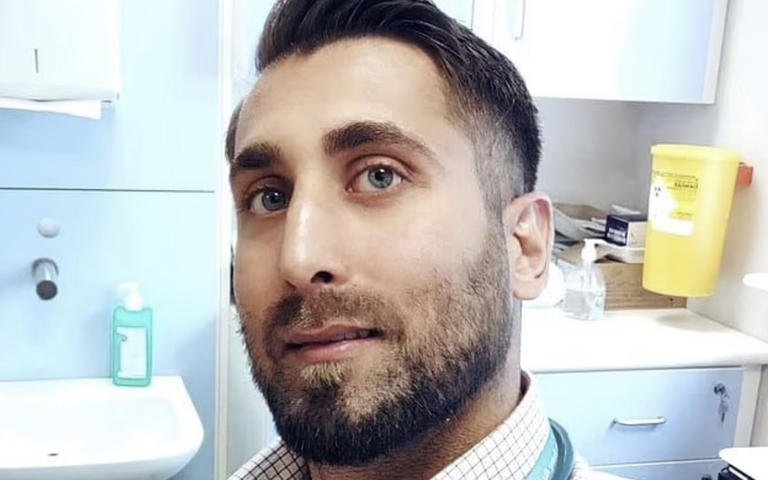
Doctor who sold sick notes faces being struck off: who is Dr Asif Munaf?
The name at the centre of this mess is Dr Asif Munaf, a former NHS doctor who also appeared on BBC’s The Apprentice. Before the sick note scandal, he had already been suspended from the medical register over antisemitic social media posts, meaning he was not supposed to be practising in the usual sense. Despite that, he positioned himself as the figure behind Dr Sick Ltd – the company offering same-day notes from £29.
This mixture of medical credentials and reality TV exposure is important. In the age of personal brands, many people will give extra trust to someone they have seen on a mainstream show or in the press. That makes it easier to market a service that sounds like a clever workaround: “Can’t see your GP? Pay a small fee and get the paperwork you need.” From a distance, it can look like entrepreneurial disruption. Up close, when a doctor who sold sick notes faces being struck off for it, it looks much more like professional misconduct dressed up as innovation.
A symptom of a bigger problem: Britain’s ‘sick note culture’
It is tempting to treat this story as a one-off villain narrative, but that misses the bigger picture. The UK has seen record numbers of people out of the workforce due to long-term sickness, and at the same time, it has never been easier to find websites promising quick, hassle-free sick notes with very little scrutiny. One Telegraph report found fake or unofficial notes being sold online for as little as £25, complete with functioning QR codes and references to government websites.
From conversations with employers and workers over the years, one theme comes up again and again: the system feels broken for both sides. Genuine patients struggle to get a GP appointment for weeks, yet they are still expected to produce medical proof to satisfy HR. Employers, meanwhile, are terrified of challenging suspicious notes for fear of discrimination claims or tribunal cases. Into that pressure cooker, the idea of a fast, no-hassle sick note service is almost guaranteed to find customers – which is exactly what happened here.
The ethics of selling sick notes online
There is nothing inherently wrong with telemedicine or paying privately for medical services. Many reputable online clinics operate within tight rules, carry out proper assessments, and link back to a patient’s real GP. The ethical problem comes when a doctor reduces their role to signing off whatever the user types in a form, with no meaningful check of identity, history, or symptoms.
For the person buying the note, the risk goes beyond being caught out at work. If someone uses a convenient sick note to mask stress, burnout, or a genuine mental health problem, that issue does not magically vanish when the certificate expires. They miss out on real assessment and ongoing support. For employers and the wider public, every dodgy note devalues legitimate ones and deepens the suspicion that “everyone is at it”, even when that is not true. When the doctor who sold sick notes faces being struck off, the message is clear: professional standards exist to protect that trust, not to spoil people’s fun.
Where regulators and government have failed
The GMC and the Care Quality Commission (CQC) now feature heavily in coverage of this case, but it is worth asking why it took a newspaper sting to push things to this point. Regulators are often stretched and reactive, especially when services operate partly online, across multiple jurisdictions or through shell companies. By the time a pattern of complaints emerges, a lot of damage can already be done.
On the policy side, the government has talked a great deal about tightening rules around work capability, welfare benefits, and long-term sickness. Yet there has been far less urgency in closing the loopholes that allow questionable private players to exploit the demand for sick notes. For example:
- There is no clear, simple framework for how remote sick notes should be verified by employers.
- There are limited sanctions for websites that sell notes but claim they are “for entertainment only”, despite clearly promoting them for real-world use.
- There is little joined-up thinking between NHS access problems and the parallel industry that has sprung up to monetise those gaps.
Striking off one doctor will not fix any of that by itself.
What workers and employers should do now
In practice, many people reading about the doctor who sold sick notes faces being struck off will be asking two questions: “What does this mean for me if I’m genuinely ill?” and “What can I do if I suspect abuse as an employer?”
For workers, a few practical pointers help keep things on the right side of both ethics and self-preservation:
- If you are genuinely unwell, your first route should still be your GP or NHS services, even if that means using phone or online triage.
- If you do use a private online service, check that it is CQC-registered and has a clear process involving a real consultation, not just a tick-box form.
- Be wary of any provider whose marketing focuses more on “getting you time off” than on assessing and treating your health.
For employers, it is about firm but fair procedures rather than snap judgements:
- Develop a consistent policy for verifying sick notes, including extra checks where documents come from unknown online providers.
- Train managers to focus on patterns (frequent suspicious absences, repeated last-minute long notes) rather than assuming every mental or invisible condition is fake.
- Consider occupational health referrals for complex cases so decisions are based on proper medical assessment, not guesswork.
Handled well, the fallout from this scandal could actually push more organisations towards a healthier balance between compassion and scrutiny.
Conclusion: fix the system, not just one doctor
The headline “doctor who sold sick notes faces being struck off” will generate its share of outrage, jokes and political point-scoring, but the deeper message should not be ignored. Turning sick notes into a paid commodity is possible only because the underlying system is under strain: struggling GPs, confused employers, and a workforce caught between genuine illness and economic pressure.
If England wants a fair, functional approach to sickness and work, the response cannot stop at removing one bad actor from the register. It needs clearer rules on online certification, better access to legitimate medical care, and a grown-up conversation about what illness, recovery and responsibility look like in a modern economy. For readers, that means staying informed, treating sensational stories as starting points rather than final verdicts, and pushing politicians and regulators to make it harder for anyone to turn public trust into a quick business model.
FAQs
1. Who is the doctor at the centre of this sick note scandal?
The case focuses on Dr Asif Munaf, a suspended UK doctor and former Apprentice contestant linked to Dr Sick Ltd, an online service selling same-day sick notes.
2. Why does the doctor who sold sick notes face being struck off?
Evidence from an undercover Telegraph investigation suggests he enabled the sale of sick notes without proper consultations, undermining professional standards and public trust, which the GMC is now examining.
3. How much did the online sick notes cost?
Reports show sick notes were sold for around £29 via Dr Sick Ltd, with other sites in the wider market offering similar documents from about £25.
4. Are all online sick note services unsafe or fake?
No. Some registered telemedicine providers operate within strict rules, but any service that issues notes without meaningful assessment or identity checks is a red flag.
5. What should I do if I suspect a sick note is not genuine?
Employers can verify details with the issuing clinic where appropriate, look at patterns of absence, and use occupational health or HR guidance rather than accusing staff without evidence.
Further Reading:
- UK Visa Fee Waivers: Who Pays and Who Answers?
- Asylum Accommodation Rent Offers: Why England Deserves Answers on Homes and Priorities
- Even the Government Says English People Are White: Why Is It Controversial?
- Migrant Households and Universal Credit: England Cannot Keep Paying Without Asking Questions
- Luton Gang Violence: How a Town Was Failed