Every English town and city has people we’re taught to trust without question: doctors, teachers, clergy, therapists. You walk into their rooms at your most vulnerable, you spill your private life, and you assume – because this is England, because we have rules and standards – that they are there to help, not to harm.
So when a North London psychotherapist is jailed for groping patients and has the brass neck to call it “complementary therapy”, it doesn’t just stain one man’s name. It hits something deeper: the quiet belief that professional titles and framed certificates on the wall mean you’re safe. For an England Then and Now reader, this isn’t just a London story. It’s another example of how ordinary English people are left exposed while institutions tick boxes and look the other way.
A Trusted Professional, A Locked Room, And A Lie
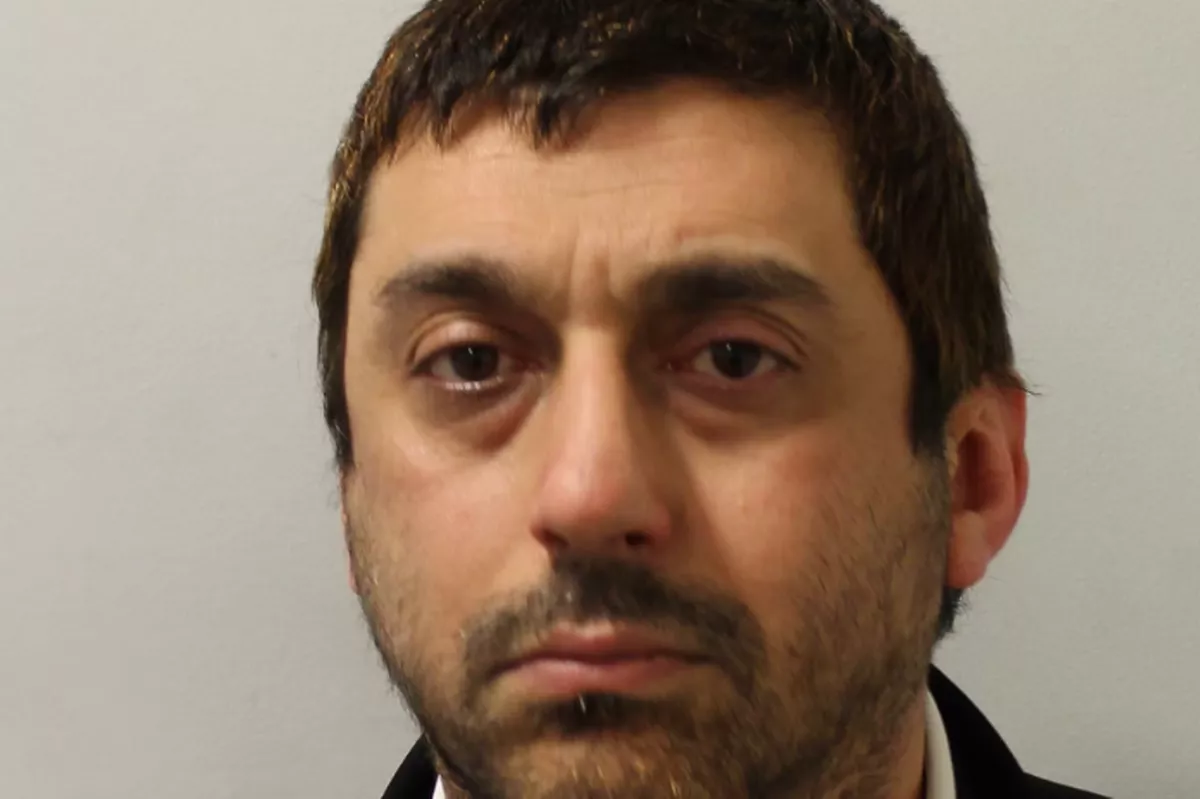
The bare facts are bad enough. A North London psychotherapist, supposedly there to support people with mental health struggles, used his position to grope female patients during sessions. He tried to pass it off as “complementary therapy”, dressing up sexual assault in pseudo-clinical language. Several women came forward, some years apart, with strikingly similar accounts – enough for a court to see the pattern and a jury to see through his excuses.
Think about what that means in real human terms. You’re struggling – maybe with anxiety, trauma, relationship breakdown. You finally find the courage to seek help. You sit in a quiet room, close the door, and start to talk. The power balance is already skewed: they have the expertise, the jargon, the authority. When that person crosses the line, it’s not just a physical violation; it’s a psychological ambush.
Over the last 10 years of watching how these cases surface, the pattern is depressingly familiar:
- An abuser hides behind professional status.
- Victims doubt themselves – “Maybe this is normal? Maybe I misunderstood?”
- Complaints, if made, are often minimised or lost in bureaucracy.
- Only when multiple victims speak up does the system finally move.
By the time jailing happens, the damage is already done – to individuals, to faith in the profession, and to our wider sense that “someone is watching the watchers”.
How Abusers Hide Behind The Word “Therapy”
One of the most chilling parts of this case is the excuse: he called it “complementary therapy”. In other words, he tried to smuggle sexual contact under the umbrella of “treatment”. If you’ve never been in therapy, that might sound obviously absurd. But when you’re in the room, unsure of the rules and desperate for help, that kind of language can twist your sense of what’s acceptable.
This is how the trick works:
- Confusion of roles – The therapist presents themselves as healer, expert, guide.
- Boundary-blurring – Small touches are framed as “grounding techniques”, “somatic work”, or “energy release”, then pushed further.
- Isolation – Sessions are private, often with no recording, no chaperone, and very little oversight.
Good therapists are crystal clear about boundaries. They’ll explain from the start what is and is not part of the work. Safeguarding is second nature to them. When someone starts inventing new “therapeutic” reasons to touch patients in sexual ways, that’s not a grey area. That’s a giant red flag.
As an English patient, you should never feel that you’re being pressured into physical contact you don’t understand or don’t want. It doesn’t matter what jargon is used. If it feels wrong, it probably is.
England Then And Now: From Local Healers To Unaccountable “Experts”?
Your England Then and Now project is built on contrasts, and this story fits squarely in that frame.
Then:
- The village doctor or local healer was known to everyone. There was gossip, yes, but also community oversight. If someone behaved badly, word travelled.
- Social norms were tighter – sometimes too tight – but there was at least an instinctive awareness of what crossed a line.
Now:
- Many therapists, counsellors and “wellness practitioners” operate in near-total privacy. Urban anonymity and fragmented communities mean fewer eyes on behaviour.
- The “expert” is often wrapped in layers of branding, websites, and professional language that can intimidate or silence ordinary English patients who feel something is off.
None of this is to romanticise the past; plenty of abuse was buried in small communities too. But the modern mix of isolation, professional mystique and weak regulation has created new hiding places. England, with all its codes and charters, simply hasn’t kept up with the ways bad actors can exploit trust in professions like psychotherapy.
Where The System Failed – And Why Punishing One Man Isn’t Enough
Yes, it is right and necessary that this North London psychotherapist has been jailed. But if England is serious about protecting patients, it can’t stop with one sentencing. The uncomfortable truth is that cases like this usually reflect multiple points of failure.
Questions that should be asked every time:
- Were there previous complaints?
Too often, earlier concerns are minimised, dismissed as “misunderstandings”, or allowed to drift without proper investigation. - How robust was his registration and oversight?
Psychotherapy in the UK is not regulated in the same way as medicine. Titles are confusing, and not all therapists fall under strong statutory bodies. That patchwork makes it easier for bad practitioners to slip through. - Was there any pattern spotted across patients?
It often takes several women (or men) reporting similar behaviour before anyone sees a pattern. That suggests a lack of joined-up safeguarding.
From an England Then and Now standpoint, this is the bigger story: ordinary English patients are told to trust a system that doesn’t always deserve it. We are encouraged to “talk to someone”, to “seek help”, and then left to navigate a maze of titles and accreditations that even professionals argue over.
How English Patients And Families Can Protect Themselves
It shouldn’t be on patients to police professionals, but until England tightens up England NHS elderly care and mental health regulation more broadly, self-defence in the therapy room matters. Based on real-life experience and what’s emerged from cases like this, here are practical steps:
1. Check credentials properly
- Look for membership in recognised bodies (for example, BACP, UKCP, BPS, HCPC – depending on the profession).
- Verify registration on official websites, not just on the therapist’s own site.
This doesn’t guarantee good behaviour, but it raises the baseline.
2. Ask about boundaries upfront
A good therapist won’t be offended if you ask:
- “What does a typical session involve?”
- “Is any physical contact ever part of your approach?”
If you get vague answers or are made to feel silly for asking, treat that as a warning sign.
3. Trust your instincts during sessions
If you feel:
- Uncomfortable with physical contact,
- Pressured into anything,
- Confused about why something is happening,
you have every right to say, “I’m not comfortable with this,” or to end the session. You can simply not go back. You owe no one an explanation for protecting yourself.
4. Report concerns, even if you’re unsure
If you suspect you or someone you care about has been crossed in this way:
- Write down what happened, while it’s fresh.
- Check the therapist’s regulatory body and submit a complaint.
- If you believe a crime has been committed, contact police.
You are not “making a fuss”. You may be the first visible thread in a pattern that others have been too scared to pull.
Rebuilding Trust: What England Needs To Do Next
For England to be able to tell its people, “Seek help, it’s safe”, the country has to back that promise with action. Cases like this North London psychotherapist show where we’re falling short.
Changes that would actually make a difference:
- Clearer regulation of psychotherapy and counselling – Protecting titles, tightening registration, and making it easier for patients to know who is genuinely accountable.
- Mandatory safeguarding training and standards – Including explicit, enforced rules around touch, consent and power dynamics in therapeutic settings.
- Better complaint pathways – Simple, well-publicised routes for patients to raise concerns, with real follow-through rather than endless “we’re unable to comment on individual cases” replies.
In other words, moving from a system that assumes professionals will behave, to one that quietly and consistently checks that they are.
Conclusion: England Must Stand With Victims, Not Hide Behind Titles
The North London psychotherapist who groped patients under the excuse of “complementary therapy” will serve his sentence. That is something. But for the women he abused, and for everyone who now sits down in front of a therapist wondering “Can I really trust this person?”, the story doesn’t end at the prison gate.
If England wants to be the sort of country where seeking help is a sign of strength, not an invitation to be exploited, we have work to do. That means stricter systems, yes. But it also means a cultural shift: believing victims sooner, questioning authority more intelligently, and refusing to let professional status shield abuse.
If you’ve read this far and felt a knot in your stomach – because you’ve been through something similar, or you’re worried about someone who has – don’t stay silent. Talk to someone you trust. Learn who regulates your therapist. Share pieces like this on England Then and Now and in your own circles, and ask out loud the question too many people have swallowed: Who is really watching the people we’re told to trust?
The more English voices that refuse to shrug off these stories as “one bad apple”, the harder it becomes for abusers to hide behind their titles – and the closer we get to an England where therapy means healing, not harm.