If you’ve ever sat in an A&E waiting room watching a frail older person shiver under a thin blanket, you already know something is badly wrong with England NHS elderly care. You can feel it in the way overstretched staff rush past, in the confusion on the patient’s face, and in the knot in your stomach when you wonder, “Is this really the best we can do?”
The recent case of 93‑year‑old Lina Piroli, a woman with dementia who died after what a coroner described as a “busy, noisy and frightening” stint in a North London A&E, is not just another sad story. It’s a warning sign about how England now treats its eldest citizens at their most vulnerable. In this article, drawing on over a decade of looking at crime, health and community issues, the aim is simple: use this one case to talk honestly about the state of England NHS elderly care today, what’s driving these failures, and what families and citizens can actually do.
When A&E Is The Last Place You’d Want Your Nan
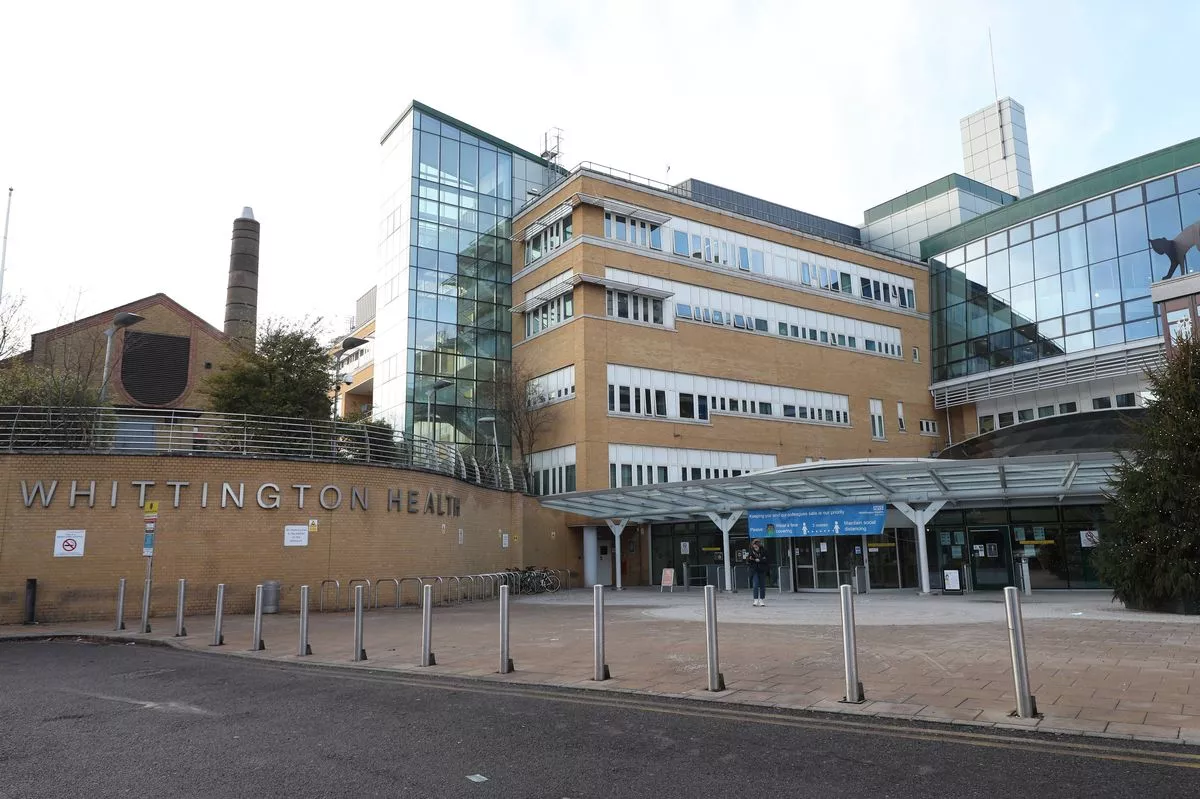
At the heart of this is a single woman: 93‑year‑old Lina Piroli. She had dementia, lived in North London, and suffered a fall down the stairs that left her with a fractured spine. After being discharged on her first visit to hospital, she deteriorated and was readmitted to Whittington Hospital in Archway. There, she spent long periods in A&E during what the coroner later called an “extremely busy” period, with staff treating “double” the number of patients they should have been.
Lina developed an E.coli infection, failed to improve, and died on a ward on 20 February. Assistant Coroner Melanie Sarah Lee issued a Prevention of Future Deaths report, warning that patients at Whittington’s emergency department “are not receiving appropriate care” because of overcrowding, bed shortages and pressure on staff.
If you strip away the legal language, the picture is painfully familiar to anyone who has watched England NHS elderly care up close: an overstretched A&E, not enough beds, no timely specialist geriatric input, and a very old, very vulnerable woman left scared and disoriented in the middle of organised chaos.
Over the last 10 years, visiting relatives and supporting friends in hospital, the pattern has become hard to ignore. A&E is no longer just a place for genuine emergencies; it’s a holding pen for patients who can’t go home and can’t get a bed, and older people are the ones who suffer most in that limbo.
Dementia, Noise And Fear: How A&E Feels To Someone Like Lina
On paper, Lina’s experience might be summarised as “long stay in A&E due to capacity issues”. In real human terms, imagine this:
- You are 93, confused, in pain, and unsure why you’re not at home.
- The lights are bright, voices are loud, monitors beep constantly, trolleys and staff are moving around you.
- You don’t always understand what is being said, and you may not remember it five minutes later even if you do.
- You can’t tell time properly anymore; minutes feel like hours.
Now combine that with dementia. A&E becomes not just inconvenient but terrifying. For someone with dementia, unfamiliar noise and bustle can trigger agitation, delirium, and a sharp decline in mental state. That in turn can worsen physical outcomes: they may refuse food or drink, pull out lines, or become too distressed to co-operate with basic care.
This is why England NHS elderly care can’t treat A&E like a one-size-fits-all environment. Older people with cognitive impairment need:
- Quieter, calmer spaces wherever possible.
- Staff trained to communicate slowly, clearly and kindly.
- Specialist geriatric teams who understand dementia, frailty and delirium.
Yet in Lina’s case, there was no geriatric review while she was in A&E, because there was nowhere to move her and the system was already creaking under the patient load. That isn’t just unfortunate; it’s exactly how vulnerable people end up falling through the cracks.
Overcrowded A&Es And Corridor Care: A System At Breaking Point
The coroner’s report on Whittington Hospital is blunt: emergency department staff were treating double the number of patients they were meant to handle, and the department lacked enough beds to move patients out of A&E. This matches wider reports that around one in five patients in some English A&Es are now treated in corridors or non-standard areas.
What does that mean in practice for England NHS elderly care?
- Less monitoring – When staff are juggling too many patients, subtle signs of deterioration are easier to miss, especially in older people whose symptoms can present differently.
- Increased infection risk – Cramped, crowded spaces with constant movement are fertile ground for infections like E.coli and other hospital-acquired conditions.
- Stress and burnout for staff – Exhausted nurses and doctors still care, but human beings can only stretch so far. Mistakes and omissions become more likely.
From observing A&Es over the years, you see the same pattern: trolleys lined up along corridors, patients parked in bays for hours, relatives hovering anxiously with hardly any information. Frontline staff are often doing their absolute best in impossible circumstances, but goodwill can’t compensate for structural under-capacity.
When England NHS elderly care relies on this setup, it’s no surprise that coroner after coroner starts using phrases like “not uncommon” to describe cases like Lina’s. That phrase should chill everyone.
Two Deaths, One Trust: Is This Just Whittington’s Problem?
Lina’s death isn’t the first time Whittington Health NHS Trust has faced serious questions about how it looks after older patients. In 2023, Senior Coroner Mary Hassell found that the death of 86‑year‑old Mary Fitzpatrick, who died with a “gaping” untreated bed sore, was preventable and partly down to failings in community nurses linked to the same trust.
When you see two deaths of elderly women, both judged to involve failings, at the same trust in a relatively short period, the temptation is to point the finger at that one hospital. But that would let the wider system off the hook.
The truth is that these cases are symptoms of a broader pattern in England NHS elderly care:
- An ageing population with complex needs.
- Chronic underfunding of social care, meaning hospitals become holding centres for patients who could be elsewhere.
- Fragmented lines of responsibility between hospital trusts, community teams, GPs and families.
Whittington is under the microscope right now, but talk privately to staff from other hospitals in London and beyond and you hear similar stories: older patients on trolleys, delayed geriatric reviews, community services too stretched to pick up the slack.
In other words, this is not a “North London glitch”. It’s a snapshot of how England now treats the people who carried this country through war, rebuilding and hard times.
What Families Can Do When An Elderly Relative Is In A&E
No family should have to become de facto care co-ordinators just to keep an elderly loved one safe, but in the current state of England NHS elderly care, being proactive can make a real difference. Here are practical steps, based on what works in real life:
1. Be there – physically, if you can
A calm, familiar face can reduce distress and confusion for someone with dementia. If possible, make sure someone is with them for key periods: admission, handovers, and the first night if they’re left in A&E for long hours.
2. Bring the basics
- Glasses and hearing aids (with spare batteries).
- A written list of medications, diagnoses and allergies.
- A brief note explaining their baseline: “Has dementia, usually chatty, walks with stick, needs help eating.”
These small details help staff who are juggling dozens of patients make better decisions faster.
3. Ask specific questions
Rather than vague “How are they doing?”, try:
- “Has a geriatrician or frailty team seen them yet?”
- “Are they on a list for a bed on a quieter ward?”
- “What’s the plan for pain management and infection checks?”
Polite persistence matters. Doctors and nurses are more likely to prioritise a patient whose family is present, engaged and clearly paying attention.
4. Watch for red flags
Escalate if you see:
- Rapidly increasing confusion or agitation.
- Breathing changes, fever, or signs of infection.
- Long periods without anyone checking vitals or pain.
Ask to speak to a senior nurse or doctor if you’re seriously worried. You are not being “difficult”; you are doing your job as an advocate.
England Then And Now: Have We Broken Our Promise To Our Elders?
Your site, England Then and Now, is built on a simple idea: understanding England’s present requires an honest look at its past. Nowhere is that clearer than in how we treat older people.
Then:
- Many areas had small local hospitals and cottage hospitals.
- Family GPs often knew patients for decades.
- Community nursing and family support were more present (even if far from perfect).
Now:
- Emergency departments are huge, centralised and permanently overloaded.
- GPs and hospitals are under intense pressure, with continuity of care eroded.
- Social care is fragmented and means-tested, leaving many families patching together solutions.
England NHS elderly care has become something we “make do and mend” around, rather than a system we can trust. It’s hard not to feel that we have broken an unspoken promise: that those who paid in, worked, and built up this country would be treated with dignity at the end of their lives.
When a 93‑year‑old woman with dementia spends her final days in fear in an overcrowded A&E, and the coroner explicitly says her experience is not unusual, we are looking at a moral failing, not just a technical one.
What Needs To Change: From Policy To Practice
Fixing England NHS elderly care requires more than a bit of extra funding and a few new targets. It needs a shift in priorities and power.
1. Dementia‑friendly emergency care
- Clear national standards for dementia‑friendly design and practice in A&Es.
- Mandatory training in dementia and delirium for all emergency staff.
- Protected quieter spaces or bays for confused older patients where possible.
2. Guaranteed geriatric oversight for the very old
For patients over a certain age (for example, 80+) with serious injuries or infections, access to a geriatric or frailty team should be the norm, not a bonus. If a hospital can’t provide that, it should have to explain why.
3. Less central secrecy, more local accountability
Local people should be able to see:
- How many elderly patients are kept in A&E over 12 or 24 hours.
- The rates of hospital-acquired infections in older patients.
- The outcomes of coroner’s Prevention of Future Deaths reports for their local trust.
That transparency allows communities to push back, question, and demand better.
4. Social care that actually supports hospitals
Hospitals are clogged partly because community and residential care are overwhelmed or unaffordable. England cannot fix A&E and elderly care without fixing social care funding and workforce issues. Keeping an older person safely at home or in a good care setting is usually better for them – and cheaper – than leaving them on a trolley.
Conclusion: Lina’s Experience Must Not Become “Normal” England
The most chilling line in the coverage of Lina Piroli’s death is that the coroner did not regard her experience as uncommon. Think about what that means: a 93‑year‑old woman with dementia, frightened in a chaotic A&E, missing timely specialist care, developing a serious infection, and dying after days in a system that was never designed for her needs – and this is not unusual.
If that is the reality of England NHS elderly care, then something is deeply out of alignment with the kind of country many of us still believe England ought to be. This isn’t about party politics. It’s about whether we accept that this is “just how it is now”, or whether we insist on something better.
If you’ve had a similar experience with an elderly relative in A&E or on a ward in England, your story matters. Share it, don’t bury it. Talk about it at the dinner table, in your local Facebook groups, at residents’ meetings, and with your councillors and MPs.
And if this article has resonated with you, please share it from England Then and Now, and come back. The more English voices speak up about how our elders are treated, the harder it becomes for anyone in power to pretend that cases like Lina’s are just unfortunate one-offs. England’s future will be judged in part by how it treats those who built its past.
FAQs About England NHS Elderly Care
1. What is a Prevention of Future Deaths report?
A Prevention of Future Deaths report is issued by a coroner when they believe that steps should be taken to reduce the risk of similar deaths happening again. In Lina’s case, the coroner sent such a report to Whittington Health NHS Trust, NHS England and the Department of Health and Social Care, highlighting serious concerns about A&E capacity and care for patients like her.
2. Was Lina’s death considered preventable?
The inquest highlighted multiple concerns about her care – including overcrowded A&E conditions and lack of geriatric review – and concluded that patients are not receiving appropriate care in those circumstances. While the report’s wording is careful, the very fact a Prevention of Future Deaths notice was issued signals that the system needs to change to avoid similar outcomes.
3. Is this kind of A&E experience common for elderly patients in England?
Unfortunately, evidence suggests that long waits, treatment in corridors, and delays in specialist assessment are increasingly common in overstretched A&Es. Coroners and watchdogs have repeatedly warned that these pressures particularly endanger older patients and those with dementia.
4. Can families refuse to leave an elderly relative alone in A&E?
Hospitals have their own rules about visitors in emergency departments, especially at night, but many will allow a relative or carer to stay with a vulnerable patient, especially someone with dementia. It’s reasonable to explain that your presence helps keep them calm and reduces the burden on staff. Always ask politely and explain the specific risks of leaving them alone and confused.
5. How can I push for better elderly care in my local NHS trust?
You can:
- Share your experiences through official complaints and patient feedback processes.
- Contact your local Healthwatch organisation, which gathers patient voices.
- Write to your MP and councillors with specific concerns about your local hospital.
- Attend or follow trust board meetings where performance and care issues are discussed.
Small actions add up. When enough people across England demand better NHS elderly care, it becomes much harder for decision‑makers to ignore the problem or hide behind statistics.



4 thoughts on “England NHS Elderly Care: When A&E Becomes A Frightening Place To Grow Old”