Introduction: England’s Most Famous Children’s Hospital, Shaken
If you grew up in England, chances are you’ve heard Great Ormond Street Hospital spoken about with almost storybook reverence – the place in London you’d pray your child could reach if something serious went wrong. So learning that a rogue GOSH surgeon harmed nearly 100 children there doesn’t just read like another news story – it feels like something in England’s sense of safety has cracked.
In this article, I’ll unpack what actually happened, how one consultant was able to cause so much damage, and what every parent in England needs to know before their child goes anywhere near an operating theatre. We’ll look at the official findings, talk honestly about how systems fail, and then finish with practical steps you can use to protect your own family.
What Actually Happened at Great Ormond Street Hospital in London?
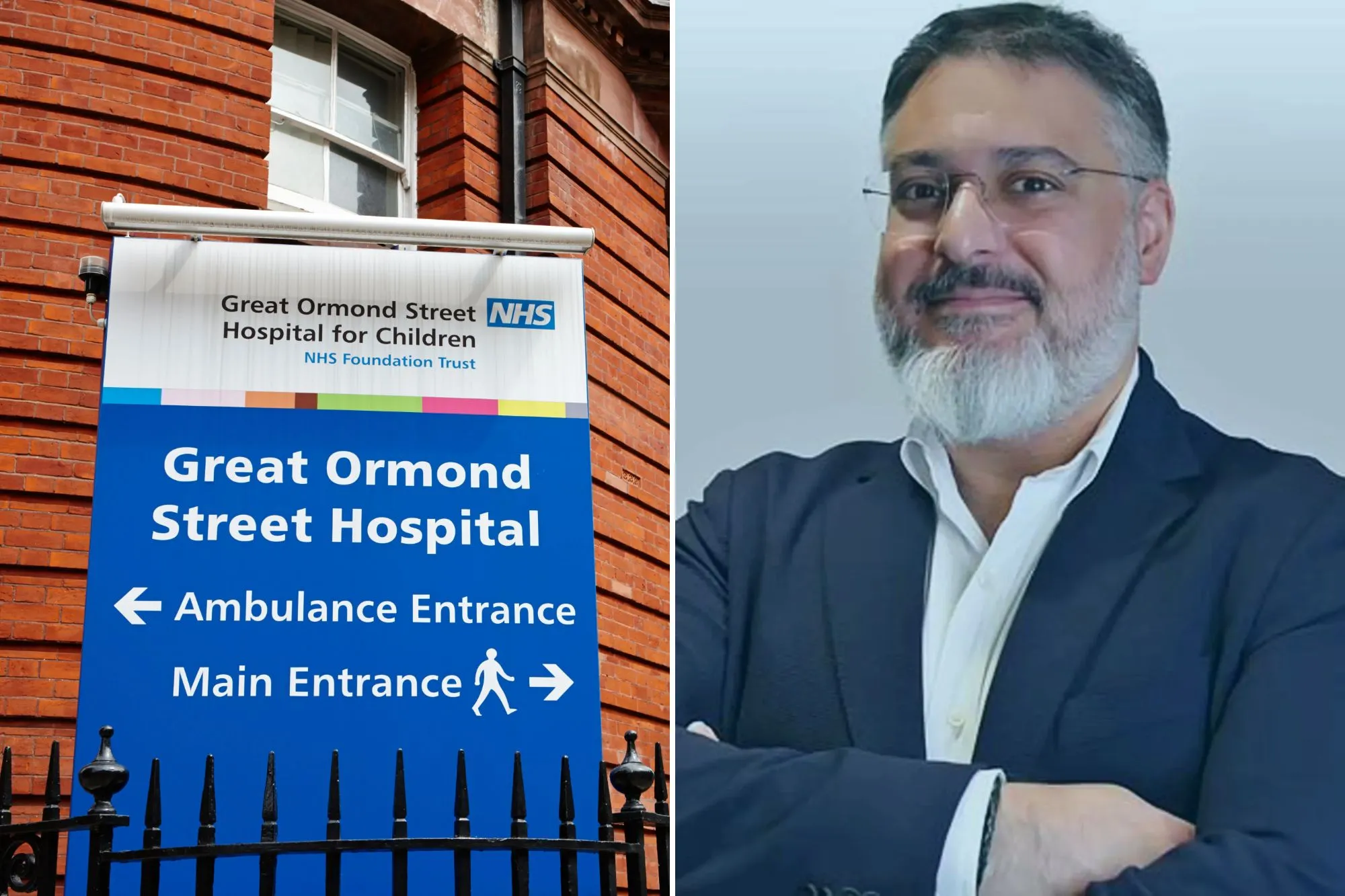
Great Ormond Street Hospital for Children (GOSH) in central London is one of England’s most famous hospitals, known for handling some of the toughest paediatric cases in the country. From 2017 to 2022, an orthopaedic surgeon called Yaser Jabbar worked there as a consultant, carrying out complex limb reconstruction and limb-lengthening surgery on children.
After repeated concerns were raised by families and staff, GOSH commissioned reviews into his work, including an external look at the hospital’s paediatric orthopaedic service by the Royal College of Surgeons. That process triggered a major clinical review of hundreds of his cases. In total, 789 children treated by Jabbar were examined, and the final report concluded that 98 patients suffered some level of harm, with 94 of those harms linked directly to his care.
“Harm” here isn’t just a paperwork word. Independent experts looked at each case and graded harm from mild – such as an unnecessary general anaesthetic – all the way to severe, including surgery that didn’t achieve its intended outcome, delayed diagnosis of complications, and children left with life-altering disability. Thirty‑six children were judged to have suffered severe harm.
Behind those numbers are real kids in England – children who went into theatre hoping for better mobility or less pain and came out facing more surgery, chronic pain, deformities, or, in some cases, amputations and long-term loss of independence.
How Did a Rogue GOSH Surgeon Harm So Many Children?
The phrase “rogue GOSH surgeon” isn’t media hype; it flows directly from the pattern of failures uncovered in the review of Jabbar’s work. Independent expert reports found recurrent problems in his clinical practice: inconsistent assessment, poor documentation, and surgical decision‑making that fell well below what would be expected from a consultant in such a specialised field.
Specific issues included:
- Bone cuts at the wrong level or angle, affecting how a child’s limb would function long term.
- Implants and frames positioned incorrectly or using less conventional devices without clear justification.
- Limb-lengthening procedures described by later experts as “incorrect and unsuitable” for the child’s condition.
- Premature removal or inappropriate use of fixation devices, increasing the risk of fractures and deformity.
The review also highlighted poor consent processes and limited or unclear communication with families about the risks and alternatives. Some parents thought they were agreeing to the best or only option available in England, only to learn later from new teams that other, safer routes existed.
When you strip away the clinical language, the picture is simple and brutal: a consultant with wide autonomy carrying out high‑risk surgery on children, repeatedly making decisions that other orthopaedic experts could not support – and those decisions leaving children worse off than before. As a parent, imagining your child in that position is enough to make your stomach turn.
Why Weren’t the Warning Signs Stopped Sooner in England’s System?
Once you understand the scale of harm, the next question is obvious: how did England’s best‑known children’s hospital not act sooner? This is where the story moves beyond one rogue GOSH surgeon and into deeper problems with how organisations in England sometimes operate.
Concerns about Jabbar were raised by both families and staff, which led GOSH to ask the Royal College of Surgeons to review its paediatric orthopaedic service. That external review raised serious questions about his practice and fed into the decision to carry out a comprehensive look‑back over hundreds of his patients. By the time that full review concluded, nearly 100 children were confirmed to have been harmed.
Anyone who has worked inside a large English institution will recognise some familiar patterns:
- Senior figures are given the benefit of the doubt again and again.
- Early concerns are treated as “one‑offs” or “complications”, rather than signs of a pattern.
- Junior staff may feel uncomfortable challenging a consultant who appears confident and authoritative.
In the NHS in England, there is also constant background pressure: heavy caseloads, limited specialist staff, and a culture that can lean towards holding things together rather than admitting that part of the service might be unsafe. It doesn’t excuse what happened – but it helps explain how warning signs can be diluted or delayed until an external body forces a reckoning.
What Has Great Ormond Street and NHS England Done Since – And Is It Enough?
In response to the findings, Great Ormond Street Hospital has apologised to children and families, describing this as one of the darkest chapters in its history. Letters have gone out to affected families across England, and the hospital says it has set up dedicated support for those needing further treatment or explanations.
The clinical review has led to a raft of changes inside GOSH. The hospital says it has:
- Tightened oversight of consultants’ practice, especially in highly specialised services.
- Implemented recommendations from the Royal College of Surgeons around better complaint handling, improved support for whistleblowers, and encouraging joint working with other specialist centres like the Royal National Orthopaedic Hospital.
- Strengthened processes for escalating concerns and reviewing complex cases.
NHS England’s London region is also reviewing how GOSH managed the case, effectively asking whether the hospital itself followed the rules and acted fast enough once concerns were raised. Meanwhile, the Metropolitan Police has said it will examine the findings of the report to decide if a criminal investigation is needed.
On paper, this all looks like a serious response. But if your child is one of those harmed, the question isn’t “Have you updated your governance framework?” It’s “Who is taking responsibility – and how are you going to put this right for my child?” That gap between institutional language and family reality is where trust in England so often breaks down.
Practical Lessons for Parents Using Hospitals in England
Although this story is centred on one rogue GOSH surgeon, the uncomfortable truth is that any parent in England might one day find their child facing complex treatment in an unfamiliar hospital. You can’t control everything, but you can stack the odds in your favour by being informed and assertive.
Here are concrete steps you can take if your child needs surgery or specialist care in England:
- Ask clear, basic questions
- What exactly are you planning to do?
- What is the goal – pain relief, function, appearance, or something else?
- What would you do if this was your own child?
- Get the risks explained in everyday language
Don’t accept jargon. Ask the surgeon to explain the likely benefits and risks in terms you could repeat to a friend. If you don’t understand, keep asking – you’re not being awkward, you’re being a parent. - Check how often they do this specific procedure on children
High‑risk surgery should be routine for the team performing it, not something they do a couple of times a year. You can ask, “Roughly how many children like mine do you operate on each year?” - Consider a second opinion inside the NHS in England
You are allowed to ask to see another consultant, especially if your gut tells you something isn’t right. It may take time, but it’s a reasonable request, not a personal attack. - Keep your own records
After each appointment, write down what was said, promised, and planned. If what actually happens later doesn’t match, you’ll have a timeline you can show to PALS, a complaints team, or a solicitor.
If you think something has already gone badly wrong, your options include:
- Contacting the hospital’s Patient Advice and Liaison Service (PALS).
- Making a formal complaint to the NHS trust.
- Speaking to specialist medical negligence solicitors who already deal with Great Ormond Street and similar cases in England.
You shouldn’t have to become a quasi‑case manager for your child, but in the current reality of the NHS in England, parents who ask clear questions and document everything often get quicker, clearer answers.
Rebuilding Trust in English Children’s Hospitals
Great Ormond Street isn’t just any hospital; it’s wrapped up in England’s cultural memory, from charity appeals to children’s TV and royal visits. That’s why the idea of a rogue GOSH surgeon harming nearly 100 children feels like more than a clinical failure – it feels like a betrayal of something England thought it could rely on.
Can that trust be rebuilt? Possibly – but only if words are backed by visible, ongoing change. For a hospital like GOSH, that would look like:
- Publishing clear, accessible information about complication rates and learning from serious incidents.
- Making external reviews routine, not just something triggered by crises.
- Ensuring that staff at every level know they can challenge unsafe practice without career suicide.
In my day‑to‑day digital work, I talk a lot about “trust signals” – reviews, proof, transparency. In English healthcare, the same idea applies but with much higher stakes. Over time, parents in England will judge GOSH and other hospitals not by slogans or reputations, but by how open they are when things go wrong and how quickly they act to put them right.
England Then And Now: What This Scandal Says About Our Country
Viewed through an “England Then And Now” lens, this scandal is about more than one surgeon or one hospital. It highlights how England’s big institutions can hold a near‑sacred status, even while very human failings are happening behind the scenes.
For decades, many people in England have seen the NHS – and especially flagship names like Great Ormond Street – as almost beyond question. This case forces a more grown‑up position: you can value the NHS in England deeply and still insist on serious accountability when a rogue GOSH surgeon harms dozens of children. That’s not being anti‑NHS; it’s being pro‑patient and pro‑justice.
England today is full of systems under heavy strain, from hospitals to schools to local services. Under strain, shortcuts become tempting and complaints can be brushed away as noise. The only real antidote is a culture where ordinary people in England feel confident asking “Why?” and “Show me the evidence,” whether they’re talking to a consultant, a headteacher or a council leader.
If there’s any good that can come from this scandal, it might be this: more parents in England feeling empowered to say, “I need another explanation,” or “I want a second opinion,” before it’s too late.
Conclusion: In England, Don’t Be Silent – Be Informed
The phrase “rogue GOSH surgeon” will echo for years in England because it stands for far more than one man’s failures; it stands for nearly 100 children whose lives have been altered in ways that should never have happened. Great Ormond Street has apologised and begun making changes, NHS England’s London arm is reviewing the case, and the Metropolitan Police are assessing the report – but for many families, the hardest part of the journey is only just beginning.
If your child ever needs specialist care in England, you don’t have to sit quietly and hope for the best. Ask questions, take notes, get second opinions, and keep pushing until you understand what is being done and why. And if your child was treated by Yaser Jabbar and you’re worried about the outcome, contact GOSH, consider speaking to the police if you feel a crime may have been committed, and get independent legal advice from firms already working on these cases.
For more straight‑talking coverage of how England’s institutions are changing in real time – and what that means for ordinary families – follow England Then And Now, share this article with other parents, and add your own experiences. Your story could be the warning signal that stops the next tragedy before it happens.
FAQs
1. Who is the rogue GOSH surgeon at the centre of this case?
The rogue GOSH surgeon is Yaser Jabbar, a former consultant orthopaedic surgeon at Great Ormond Street Hospital in London, England, who carried out complex limb reconstruction and limb‑lengthening surgeries on children between 2017 and 2022.
2. How many children in England were harmed by his care?
A clinical review of 789 of his patients found that 98 children suffered some level of harm, with 94 of those harms linked directly to his care; 36 children were recorded as having suffered severe harm.
3. What types of problems did the review find with his surgery?
Independent experts found unacceptable practice including poor planning, incorrect bone cuts, implants and frames placed in the wrong position, unsuitable limb‑lengthening procedures, and weak documentation and consent processes.
4. What has Great Ormond Street Hospital and NHS England done about it?
GOSH has apologised to families, reviewed hundreds of cases, introduced tighter oversight and governance changes, and worked with NHS England’s London region on how the case was handled. The Metropolitan Police is also reviewing the report to decide whether a criminal investigation is needed.
5. What should parents in England do if they think their child was affected?
Parents who believe their child was treated by Yaser Jabbar and may have been harmed should contact GOSH for information about the review, and many are also speaking to specialist medical negligence solicitors to explore legal options and secure further treatment and support.
For more about the NHS in England:
England NHS Elderly Care: When A&E Becomes A Frightening Place To Grow Old