Introduction: When “Public Safety” Stops Feeling Fair
Ask a random crowd in Birmingham, London or Manchester why do English police protect one group of foreign citizens over others, and you will hear very different stories, but the same frustration. Some will point to asylum hotels guarded by officers while local residents feel ignored; others will talk about Jewish football fans being banned because someone else threatened them.
The truth is more complicated than a simple “they’re on that side”, but perception matters, and right now a lot of people believe the system has stopped treating everyone equally. This article breaks down what actually happened in Birmingham, how these decisions are meant to be made, why they often look biased, and what real equal protection would look like in practice.
The Birmingham flashpoint: When the wrong people were “managed”
In the West Midlands case, Maccabi Tel Aviv supporters were effectively banned from attending a match in Birmingham after local Islamist groups allegedly threatened to “arm themselves” and attack Israeli fans. Instead of drafting in more officers and targeting the people making the threats, West Midlands Police chose to keep the potential victims away.
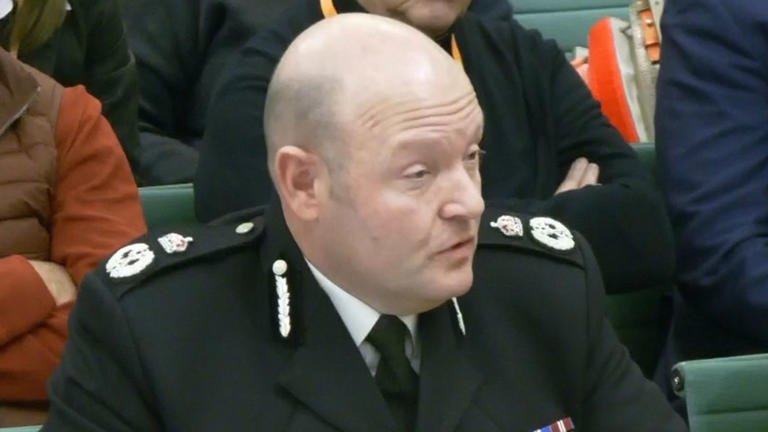
We later learned that the justification given to the public – supposed “intelligence” from Dutch police about violent Israeli fans – was a deliberate lie. Dutch authorities said there was no such intelligence, and the Chief Constable admitted under questioning that he had not told MPs, local leaders or Jewish organisations about the real threats. That combination of flawed reasoning and secrecy is precisely what makes people ask why do English police protect one group of foreign citizens over others instead of protecting those under threat.
From a policing point of view, banning the away fans probably looked like a clean operational fix: no away fans, less risk, easier day. But in terms of principle, it rewarded those threatening violence and punished those simply wanting to watch football. Over time, decisions like this build a narrative that some groups can intimidate their way into special treatment.
How policing decisions are supposed to work
In theory, public order policing follows a clear process. Forces assess:
- The nature of the event or protest
- Any credible threats or intelligence
- Available resources to manage risk
- The legal framework around protest, hate crime and public safety
Inspections into activism and impartiality stress that police must remain neutral and enforce the law consistently, regardless of the political or ethnic identity of those involved. Officers are expected to protect both the right to protest and the right of others to go about their lives safely.
When intelligence indicates a risk, the correct response is to address the source of that risk – increased policing, targeted arrests, conditions on those intending violence – not automatic restrictions on the people being threatened. When that logic is flipped, the police look less like neutral guardians and more like risk managers for whoever shouts loudest or threatens most credibly.
The perception of ‘two‑tier policing’
The phrase “two‑tier policing” has become common because people see different responses for different groups. Some commentators argue that police are tough on local residents or anti‑immigration protesters, yet highly protective of pro‑immigration activists and migrants near asylum hotels. Others see the opposite, pointing to heavy conditions on pro‑Palestine marches and friendly engagement with pro‑Israel events, or vice versa depending on the city.
- In one high‑profile example, critics noted that officers were seen protecting masked pro‑immigration groups outside asylum hotels, while locals complaining about those hotels were portrayed as the real problem.
- In London, the Metropolitan Police Commissioner faced accusations of bias after telling a pro‑Israel audience that the force had used “sharper and stronger” conditions on demonstrations, which organisers of pro‑Palestine marches argued fell disproportionately on their side.
Add in the use of terrorism legislation against some protesters, and online speech prosecutions under newer laws, and the picture gets messier. Each community builds its own catalogue of grievances and concludes that the police are aligned against them. The question why do English police protect one group of foreign citizens over others arises because each group sees only the moments where the force seems to minimise their rights while maximising protection for someone else.
Why it looks like some foreign citizens get more protection
There are a few practical and political reasons why policing can end up looking skewed, even if the written policies say otherwise.
- Electoral and political pressure
In areas with large, mobilised communities – whether that is a particular diaspora, faith group or activist network – chief constables know that mishandling a flashpoint can have national repercussions. Politicians weigh in, national media descends, and careers are suddenly on the line. That can create a temptation to err on the side of appeasing whichever group is thought most likely to cause unrest, rather than standing calmly on principle. - Legal frameworks and risk aversion
UK law around hate crime, extremism and protest is complicated, and guidance encourages officers to consider the “impact” on protected groups. That can, in practice, mean more focus on preventing potential hate incidents against some communities than on, say, robustly defending the rights of others to gather or speak. At the same time, new powers make it easier to impose conditions on protests or online speech, which can be applied in ways that feel selective. - Operational convenience
From a purely practical standpoint, it is often easier to restrict the group that cooperates with the police than the group that refuses to engage or is openly threatening. In the Birmingham case, banning peaceful away fans was “easier” than confronting those allegedly planning violence. Over time, that pattern produces the impression that law‑abiding foreign citizens and minorities are the ones asked to compromise, while more aggressive groups are tiptoed around.
When these factors combine, it can absolutely look like English police protect one group of foreign citizens more than others, even if no officer has ever written that down as policy.
The real cost of unequal protection
Unequal protection has a measurable cost in trust, safety and social cohesion.
For British Jews and Israeli visitors, the message from cases like Birmingham is stark: if someone threatens you, the response may be to keep you away rather than confront your aggressors. That not only feels deeply unfair; it risks normalising the idea that intimidation against Jews “works”, which is dangerous for any democracy.
For many Muslims, migrants and pro‑Palestine activists, the sense is different but just as corrosive. They see highly publicised conditions, major arrests and hostile media coverage, while feeling ignored when they are victims of discrimination or abuse. That fuels a narrative of systemic bias and makes genuine cooperation with the police harder.
On top of this, the wider public sees online speech prosecutions, “asymmetric policing” around immigration protests, and high‑profile controversies over demonstrations, and concludes that the state is no longer neutral. Once people believe the system has picked sides, they are more likely to disengage, radicalise or take matters into their own hands – exactly the outcomes good policing is meant to prevent.
What equal protection should actually look like
If the goal is genuine equality, a few principles need to be non‑negotiable.
- Threats decide the focus, not identity
If person A is threatening violence against person B, the police response must focus on person A, regardless of whether either party is British, foreign, Jewish, Muslim, pro‑immigration or anti‑immigration. Excluding the potential victim for “their own safety” should be a last resort, not a first reflex. - Transparency over quiet manoeuvring
In the Birmingham case, keeping the real reason for the decision from MPs, local leaders and community representatives destroyed credibility. Equal protection means being open about the fact that, for example, “We received specific threats from X group, and we are deploying Y measures and pursuing Z arrests.” That clarity allows all communities to see where the line is drawn. - Consistent protest rules
Whether it is an asylum‑hotel protest, a pro‑Palestine march or a counter‑demonstration, the same test should apply: is there a credible risk of serious disorder, and are proposed conditions proportionate? When conditions feel harsher for one side than another without clear explanation, the impression of favouritism takes root. - Serious engagement with all communities
Inspection reports already note that perceived bias and historical discrimination damage relationships with minority communities. Equal protection means regularly meeting with a range of community leaders – not just the most well‑connected or media‑savvy – and being seen to listen when things go wrong.
From a practical standpoint, that is exactly how to start answering why do English police protect one group of foreign citizens over others – by showing, through actions and data, that the focus is on behaviour and threat, not identity.
Conclusion: Courage, not appeasement
The recurring question why do English police protect one group of foreign citizens over others, shouldn’t it all be equal? comes from lived experience, not imagination. Birmingham’s decision to keep Jewish fans away rather than confront those threatening them symbolises a wider drift towards managing risk by appeasing potential aggressors.
Reversing that drift requires courage from chief constables and clarity from government: threats and violence are always the problem, never an excuse to curtail the rights of the people being targeted. Equal protection is not a slogan; it is a daily practice of impartial enforcement, transparent communication and a willingness to upset those who believe intimidation buys them special treatment.
As a citizen, supporter, campaigner or content creator, keep asking awkward questions at public meetings, writing to your Police and Crime Commissioner, and documenting inconsistent policing when you see it. Only persistent pressure will push the system back towards the basic promise that everyone – British or foreign, majority or minority – gets the same protection under the same law.
FAQs
1. Do English police have a legal duty to treat foreign citizens equally?
Yes. The law requires officers to apply powers based on behaviour and risk, not nationality or ethnicity, and equality and human rights duties apply regardless of citizenship.
2. Why do some protests face heavy restrictions while others do not?
Forces use risk assessments that consider numbers, route, past behaviour and intelligence, but inconsistent communication over these assessments often makes restrictions look selective or political.
3. Are these decisions driven more by politics or safety?
Officially they are about safety, yet high‑profile cases, media pressure and local electoral concerns can influence how chiefs interpret “risk”, which is why some outcomes appear politically skewed.
4. What can affected communities do if they feel unfairly treated?
They can raise issues with local commanders, submit complaints, work through community liaison groups, and push their Police and Crime Commissioner for independent reviews of controversial decisions.
5. How can individuals hold their local force to account?
Attend public consultation events, use freedom of information requests, support watchdog investigations, and use local media or elected representatives to highlight patterns that suggest unequal protection.
- UK Visa Fee Waivers: Who Pays and Who Answers?
- Asylum Accommodation Rent Offers: Why England Deserves Answers on Homes and Priorities
- Even the Government Says English People Are White: Why Is It Controversial?
- Migrant Households and Universal Credit: England Cannot Keep Paying Without Asking Questions
- Luton Gang Violence: How a Town Was Failed